


Leave Your Message
A Beginner’s Guide to Deep Water Culture Hydroponic Systems
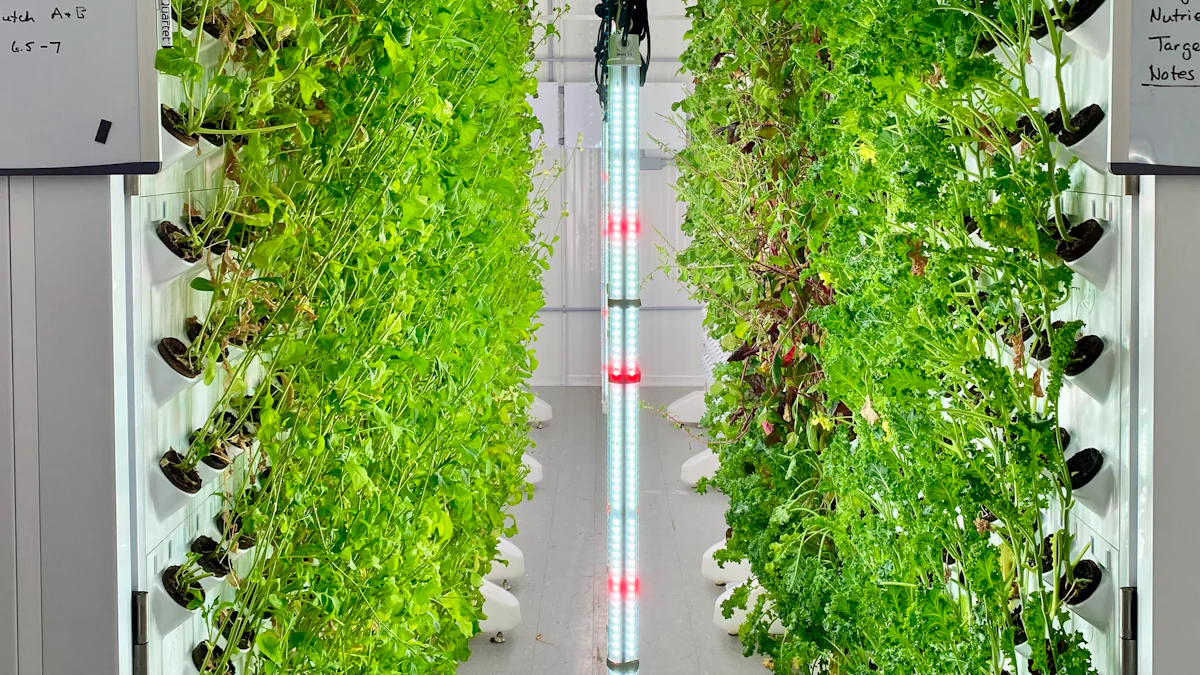
A deep water culture Hydroponic System offers one of the easiest methods to grow plants without soil. By immersing plant roots in a nutrient-rich water solution and supplying continuous oxygen via an air pump, this system ensures optimal growth conditions. The deep water culture hydroponic system is perfect for beginners due to its simple setup, low maintenance needs, and remarkable plant growth outcomes.
Key Takeaways
- Deep water culture hydroponic systems are beginner-friendly, requiring minimal setup and maintenance while promoting rapid plant growth.
- Key components include a reservoir, net pots, an air pump, and a nutrient solution, all essential for creating an optimal growing environment.
- Regular monitoring of water levels, nutrient balance, and pH is crucial for maintaining plant health and preventing common issues like root rot.
What Is a Deep Water Culture Hydroponic System?
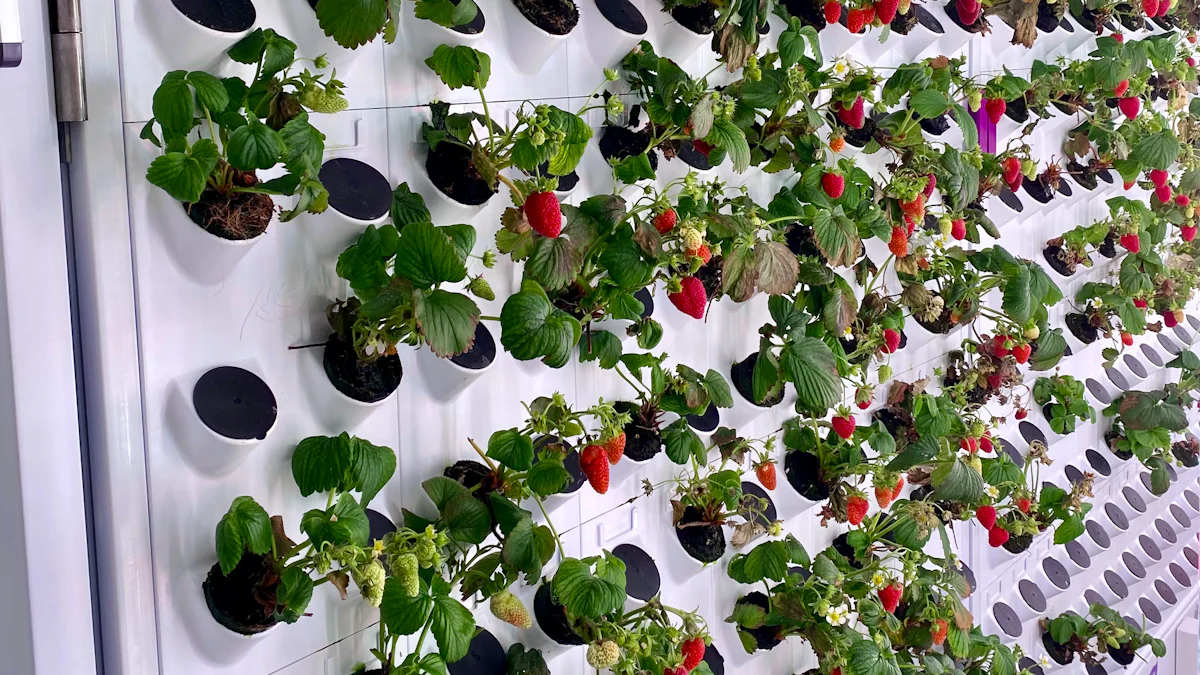
Definition and basic concept
A deep water culture hydroponic system is one of the simplest ways to grow plants without soil. Instead of planting in dirt, you place the roots directly into a container filled with a nutrient-rich water solution. This setup provides plants with everything they need—water, nutrients, and oxygen—all in one place.
The "deep water" part refers to the reservoir holding the water solution. The roots stay submerged in this solution, which is constantly oxygenated using an air pump and air stones. This oxygen keeps the roots healthy and prevents them from drowning. The result? Plants grow faster and stronger because they get nutrients directly without needing to search for them in the soil.
Tip: If you're new to hydroponics, a deep water culture hydroponic system is a great place to start. It's easy to set up and doesn't require much maintenance.
Key components of a DWC system
To build a deep water culture hydroponic system, you'll need a few essential items:
- Reservoir: A container to hold the water and nutrient solution.
- Net pots: Small pots with holes that allow roots to grow through and reach the water.
- Air pump and air stones: These keep the water oxygenated so the roots can "breathe."
- Nutrient solution: A mix of water and plant nutrients to feed your plants.
- Grow medium: Materials like clay pebbles or rock wool to support the plants in the net pots.
Optional tools, like pH meters or water thermometers, can help you monitor the system more closely. But for beginners, the basic components are enough to get started.
How Does a DWC System Work?
The role of water, nutrients, and oxygen
In a deep water culture hydroponic system, water, nutrients, and oxygen work together to create the perfect environment for your plants. The water acts as the foundation. It keeps the roots hydrated and supports the delivery of nutrients. You’ll mix a nutrient solution into the water, which provides essential minerals like nitrogen, phosphorus, and potassium. These nutrients are what your plants need to grow strong and healthy.
Oxygen is just as important. Without it, the roots can’t "breathe," and your plants may struggle. That’s where the air pump and air stones come in. They add oxygen to the water, creating tiny bubbles that surround the roots. This constant oxygen supply keeps the roots alive and thriving.
Note: Always check the water level and nutrient concentration. Too much or too little of either can affect plant growth.
How plant roots thrive in a DWC system
In this system, the roots grow directly into the nutrient-rich water. They don’t have to search for nutrients like they would in soil. Instead, they absorb everything they need right away. This direct access speeds up growth and helps plants stay healthier.
The oxygenated water also prevents root rot, a common issue in other growing methods. The bubbles from the air stones keep the roots from sitting in stagnant water. As a result, your plants grow faster, with stronger roots and lush foliage.
Tip: Keep an eye on the roots. Healthy roots are white and firm. If they turn brown or slimy, it’s time to adjust your system.
Benefits of Using a Deep Water Culture Hydroponic System
Faster and healthier plant growth
One of the biggest perks of using a deep water culture hydroponic system is how quickly your plants grow. Since the roots are submerged in a nutrient-rich solution, they absorb everything they need without delay. This direct access to nutrients speeds up growth compared to traditional soil gardening. You’ll notice stronger stems, greener leaves, and even larger fruits or flowers.
Oxygen also plays a huge role here. The constant supply of oxygenated water keeps the roots healthy and prevents issues like root rot. Healthy roots mean healthier plants overall. If you’re looking for a way to grow vibrant plants in less time, this system delivers.
Fun Fact: Plants grown in hydroponic systems can grow up to 25% faster than those grown in soil!
Efficient resource usage
A deep water culture hydroponic system is incredibly efficient when it comes to resources. You’ll use less water than traditional gardening because the system recirculates the nutrient solution. Instead of watering daily, you only need to top off the reservoir occasionally.
Nutrients are also used more effectively. Since the roots are directly exposed to the solution, there’s minimal waste. This makes it an eco-friendly option for anyone who wants to conserve resources while still growing healthy plants.
Tip: Keep an eye on the water level in your reservoir. Adding water as needed ensures your plants stay hydrated without wasting resources.
Low maintenance requirements
If you’re worried about spending hours tending to your plants, don’t be. A deep water culture hydroponic system is surprisingly low-maintenance. Once you set it up, the system does most of the work for you. The air pump keeps the water oxygenated, and the nutrient solution provides everything your plants need.
You’ll only need to check the pH levels and nutrient concentration occasionally. Cleaning the reservoir every few weeks is also a good idea to keep things running smoothly. With minimal effort, you can enjoy thriving plants all year round.
Pro Tip: Automating your system with timers or monitors can make maintenance even easier!
Materials Needed for a Deep Water Culture Hydroponic System
Essential materials (e.g., reservoir, air pump, net pots)
To set up your deep water culture hydroponic system, you’ll need a few basic materials. These items form the backbone of your system and ensure your plants grow successfully. Here’s what you’ll need:
- Reservoir: This is the container that holds the nutrient-rich water solution. You can use a plastic tub, bucket, or any watertight container. Make sure it’s large enough to support your plants.
- Net pots: These are small pots with holes that allow the roots to grow through and reach the water. They hold your plants securely while letting the roots breathe.
- Air pump and air stones: These keep the water oxygenated. The air pump pushes air through the stones, creating bubbles that deliver oxygen to the roots.
- Nutrient solution: This is a mix of water and essential nutrients like nitrogen, potassium, and phosphorus. It’s the “food” your plants need to thrive.
- Grow medium: Materials like clay pebbles or rock wool help support your plants in the net pots. They don’t provide nutrients but keep the plants stable.
With these essentials, you’re ready to start building your system.
Optional tools for enhanced performance
While the basics are enough to get started, a few optional tools can make your system even better. These extras help you monitor and fine-tune your setup for optimal results:
- pH meter: This tool measures the acidity or alkalinity of your water. Keeping the pH in the right range (usually 5.5–6.5) ensures your plants absorb nutrients effectively.
- Water thermometer: Temperature matters! A thermometer helps you keep the water between 65–75°F, the ideal range for most plants.
- TDS/EC meter: This measures the total dissolved solids or electrical conductivity of your nutrient solution. It ensures your plants get the right amount of nutrients.
- Timers: Automating your air pump with a timer can save you time and effort.
These tools aren’t mandatory, but they can make managing your deep water culture hydroponic system easier and more efficient.
Pro Tip: Start with the essentials and add optional tools as you gain experience. You don’t need to buy everything at once!
Step-by-Step Guide to Setting Up a Deep Water Culture Hydroponic System
Preparing the reservoir and water solution
Start by choosing a reservoir that’s large enough to support your plants. A plastic tub or bucket works well. Clean it thoroughly to remove any dirt or chemicals. Once it’s ready, fill the reservoir with water. If you’re using tap water, let it sit for 24 hours to allow chlorine to evaporate. This step ensures your plants won’t be harmed by chemicals in the water.
Next, mix in your nutrient solution. Follow the instructions on the nutrient package to get the right concentration. Stir the solution until it’s fully dissolved. This nutrient-rich water will serve as the foundation for your deep water culture hydroponic system.
Installing the air pump and air stones
Now, set up the air pump and air stones. Place the air stones at the bottom of the reservoir. Connect them to the air pump using tubing. When you turn on the pump, it will push air through the stones, creating bubbles in the water. These bubbles keep the water oxygenated, which is essential for healthy roots.
Tip: Test the air pump before adding plants to ensure it’s working properly.
Adding nutrients and adjusting pH
Before moving forward, check the pH of your nutrient solution. Plants in a hydroponic system thrive in a pH range of 5.5 to 6.5. Use a pH meter to measure it. If the pH is too high or low, adjust it using pH up or pH down solutions. This step ensures your plants can absorb nutrients effectively.
Transplanting plants into net pots
Take your plants and gently remove any soil from their roots. Place them in net pots filled with a grow medium like clay pebbles. The grow medium will support the plants while allowing the roots to grow through the holes in the pots. Once the plants are secure, position the net pots in the reservoir lid so the roots can reach the nutrient solution.
Starting and monitoring the system
Turn on the air pump and ensure the bubbles are evenly distributed in the reservoir. Check that the water level touches the bottom of the net pots. Over time, the roots will grow deeper into the solution. Monitor the system regularly. Check the water level, nutrient concentration, and pH every few days. With proper care, your plants will thrive in this efficient setup.
Pro Tip: Keep a log of your system’s pH and nutrient levels. It helps you spot trends and make adjustments quickly.
Tips for Maintaining a Deep Water Culture Hydroponic System
Monitoring water levels and nutrient balance
Keeping an eye on water levels is crucial for your plants’ health. The roots need constant access to the nutrient solution, so make sure the water level stays high enough to touch the bottom of the net pots. If the water drops too low, the roots can dry out, and your plants may suffer. Check the reservoir every few days and top it off with fresh water as needed.
Nutrient balance is just as important. Too many nutrients can harm your plants, while too few can slow their growth. Use a TDS or EC meter to measure the nutrient concentration in your solution. Follow the recommended levels for your specific plants. If you notice yellowing leaves or stunted growth, it might be time to adjust the nutrient mix.
Tip: Keep a small notebook to track water levels and nutrient adjustments. It’ll help you spot patterns and make better decisions.
Preventing algae and maintaining cleanliness
Algae can quickly take over your system if you’re not careful. It thrives in light and nutrient-rich water. To prevent algae, keep your reservoir covered and block out any light. A dark container works best for this. If you notice green slime forming, clean the reservoir immediately.
Regular cleaning is essential for maintaining a healthy system. Empty and scrub the reservoir every two to three weeks. Rinse the air stones and tubing to remove any buildup. Cleanliness keeps your deep water culture hydroponic system running smoothly and prevents problems like root rot.
Pro Tip: Use a mild hydrogen peroxide solution to clean your equipment. It’s safe for plants and helps kill bacteria and algae.
Ensuring proper oxygenation
Oxygen is vital for your plants’ roots. Without it, they can’t "breathe," and their growth will slow down. Make sure your air pump is working properly at all times. Check the air stones regularly to ensure they’re producing plenty of bubbles. If the bubbles seem weak, clean or replace the air stones.
The temperature of the water also affects oxygen levels. Warm water holds less oxygen, so try to keep the reservoir between 65–75°F. Use a water thermometer to monitor the temperature. If it gets too warm, consider adding frozen water bottles to cool it down.
Note: Healthy roots are white and firm. If they look brown or slimy, it’s a sign that oxygen levels might be too low.
Troubleshooting Common Issues in DWC Systems
Identifying and preventing root rot
Root rot is one of the most common problems in DWC systems. You’ll notice it when roots turn brown, slimy, or start to smell bad. Healthy roots should be white and firm. Root rot happens when roots don’t get enough oxygen or when harmful bacteria grow in the water.
To prevent this, always keep your air pump running. Oxygen is key to keeping roots healthy. Check the air stones regularly to ensure they’re bubbling properly. Keep the water temperature between 65–75°F. Warm water encourages bacteria growth, so use a water thermometer to monitor it. If you spot root rot, act fast. Remove the affected roots and clean the reservoir with a hydrogen peroxide solution.
Tip: Use beneficial microbes or root supplements to protect your plants from harmful bacteria.
Addressing nutrient deficiencies
Nutrient deficiencies can slow plant growth or cause yellowing leaves. Each deficiency shows different symptoms. For example, yellow leaves might mean a lack of nitrogen, while purple stems could signal a phosphorus shortage.
To fix this, check your nutrient solution. Use a TDS or EC meter to ensure the concentration matches your plant’s needs. Follow the nutrient manufacturer’s guidelines. If you’re unsure, start with a lower concentration and gradually increase it. Always mix nutrients properly to avoid uneven feeding.
Note: Keep a close eye on your plants. They’ll often "tell" you what they need through changes in color or growth.
Managing pH fluctuations
Plants in DWC systems thrive in a pH range of 5.5–6.5. If the pH goes outside this range, plants can’t absorb nutrients effectively. You might see stunted growth or discolored leaves.
Check the pH of your water every few days using a pH meter. If it’s too high, add a pH down solution. If it’s too low, use a pH up solution. Make small adjustments and test again to avoid overcorrecting. Keeping a stable pH ensures your plants stay healthy and grow strong.
Pro Tip: Record your pH readings in a log. This helps you spot trends and make adjustments before problems arise.
Setting up a deep water culture hydroponic system is easier than you might think. It’s simple, efficient, and delivers amazing results. You’ll enjoy faster plant growth with less effort. Why not give it a try? Start small, experiment, and discover the joy of hydroponics. Your green thumb will thank you! 🌱
FAQ
What plants grow best in a DWC system?
Leafy greens like lettuce, spinach, and herbs thrive in DWC systems. You can also grow tomatoes, peppers, and strawberries with proper care and monitoring.
How often should I change the nutrient solution?
Replace the nutrient solution every two to three weeks. This keeps it fresh and ensures your plants get the right balance of nutrients.
Can I use tap water in my DWC system?
Yes, but let it sit for 24 hours to remove chlorine. Alternatively, use a water filter to ensure it’s safe for your plants.
Tip: Test your water’s pH before use. Adjust it to the ideal range of 5.5–6.5 for best results.