


Leave Your Message
Advancing Hydroponic Farming with Smart Technology
Hydroponic Farming has revolutionized the way you can grow crops by eliminating the need for soil. When paired with smart technology, it becomes a game-changer in agriculture. You gain the ability to monitor and control every aspect of plant growth with precision. This combination addresses the urgent need for sustainable farming practices. It empowers you to produce more food using fewer resources while reducing environmental impact. By adopting this innovative approach, you contribute to a future where agriculture meets global food demands efficiently.
Key Takeaways
- Hydroponic farming eliminates the need for soil, allowing for precise control over plant growth and resource usage.
- By adopting hydroponics, you can save up to 90% of water compared to traditional farming, making it a sustainable choice.
- Smart technology, including IoT and AI, enhances Hydroponic Systems by providing real-time monitoring and data-driven insights for optimal crop management.
- Urban environments benefit from hydroponic farming, as it allows for fresh produce to be grown in limited spaces, reducing transportation costs and emissions.
- Integrating smart technology can lead to faster growth cycles and consistent crop quality, ultimately increasing your yields and profitability.
- While the initial investment in smart hydroponic systems can be high, the long-term savings and efficiency gains make it a worthwhile endeavor.
- Embracing smart hydroponics contributes to global food security by enabling year-round production in various climates and maximizing urban farming potential.
Understanding Hydroponic Farming
What is Hydroponic Farming
Hydroponic farming is a method of growing plants without soil. Instead, you use a nutrient-rich water solution to deliver essential minerals directly to the plant roots. This system allows you to control the growing environment with precision. You can adjust factors like light, temperature, and humidity to create optimal conditions for plant growth. By eliminating soil, you reduce the risk of pests and diseases that typically affect traditional farming. This innovative approach makes it possible to grow crops in areas where soil quality is poor or unavailable.
Benefits of Hydroponic Farming
Efficient resource utilization
Hydroponic farming uses resources more efficiently than traditional agriculture. You can save up to 90% of water compared to soil-based farming because the system recycles water. Nutrients are delivered directly to the plants, reducing waste. This efficiency helps you grow more food while conserving valuable resources. It also minimizes the environmental impact of farming.
Urban farming and space-saving potential
Hydroponic systems are ideal for urban environments. You can set up vertical farms or compact systems in small spaces like rooftops or basements. This method allows you to grow fresh produce close to urban centers, reducing transportation costs and emissions. By using vertical space, you maximize crop production in areas where land is limited. This makes hydroponic farming a practical solution for cities with growing populations.
Independence from soil and climate conditions
With hydroponic farming, you are not limited by soil quality or climate. You can grow crops year-round in controlled environments, regardless of external weather conditions. This independence ensures consistent food production even in regions with harsh climates or poor soil. It also allows you to cultivate a wide variety of crops that might not thrive in your local environment. This flexibility makes hydroponic farming a reliable option for sustainable agriculture.
The Role of Smart Technology in Agriculture
Defining Smart Technology in Agriculture
Smart technology in agriculture refers to the use of advanced tools and systems to improve farming practices. These tools include devices, software, and sensors that help you monitor and manage agricultural processes with precision. By using smart technology, you can collect real-time data about your crops, environment, and resources. This data allows you to make informed decisions that enhance productivity and sustainability. Smart technology transforms traditional farming into a more efficient and data-driven process.
Key Applications of Smart Technology
IoT for real-time monitoring
The Internet of Things (IoT) plays a crucial role in modern agriculture. IoT devices, such as sensors and cameras, allow you to monitor your hydroponic farming system in real time. These devices track essential factors like water levels, nutrient concentration, and temperature. You can receive instant alerts if any parameter falls outside the optimal range. This immediate feedback helps you take quick action to maintain ideal growing conditions. IoT ensures that your crops receive the care they need at all times.
AI for decision-making and optimization
Artificial Intelligence (AI) enhances your ability to make better decisions in farming. AI algorithms analyze data from your hydroponic system and suggest adjustments to improve crop growth. For example, AI can recommend changes to light intensity or nutrient delivery based on plant needs. It also predicts potential issues, such as pest infestations or nutrient deficiencies, before they occur. By using AI, you can optimize your farming operations and achieve higher yields with fewer resources.
Data analytics for predictive insights
Data analytics provides valuable insights that help you plan and manage your farming activities. By analyzing historical and real-time data, you can identify patterns and trends in crop performance. Predictive analytics enables you to forecast future outcomes, such as growth rates or harvest times. This information helps you prepare for challenges and make proactive decisions. With data analytics, you gain a deeper understanding of your hydroponic farming system and how to improve it over time.
Integrating Smart Technology with Hydroponics
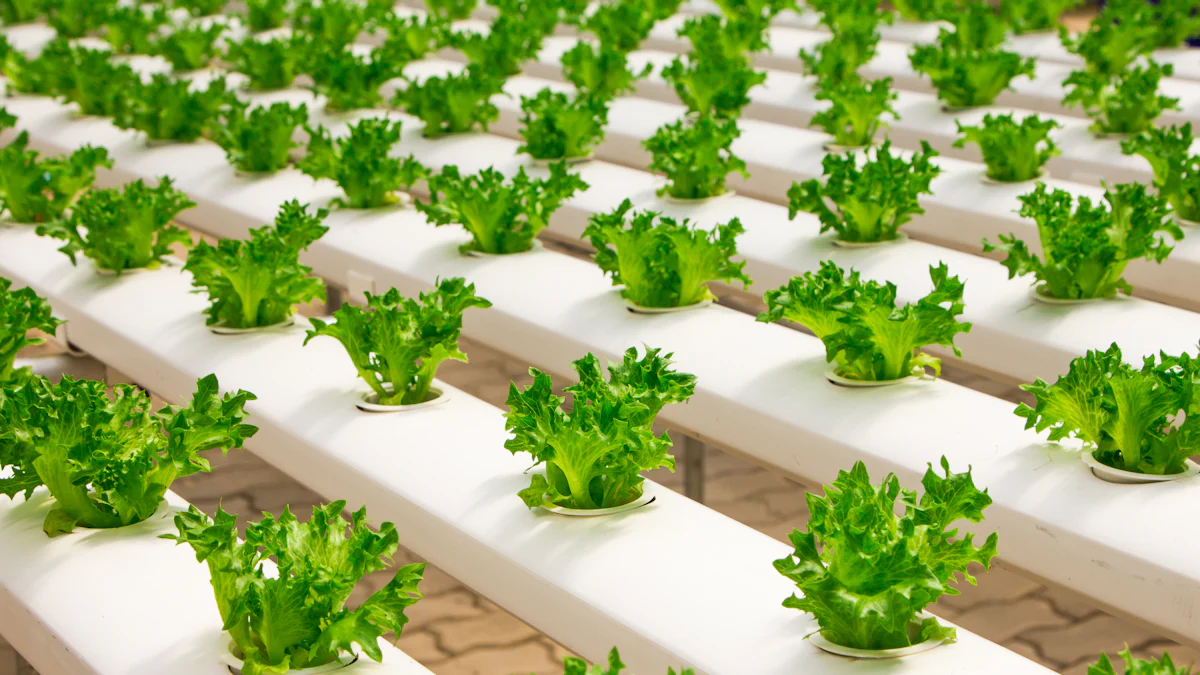
Enhancing Hydroponic Systems with Smart Technology
IoT sensors for monitoring water and nutrients
IoT sensors play a vital role in improving hydroponic farming. These sensors monitor critical factors like water levels, nutrient concentration, and pH balance. You can track this data in real time through connected devices. This allows you to make immediate adjustments to maintain optimal growing conditions. For example, if the water level drops below the required amount, the system alerts you instantly. This ensures your plants always receive the right amount of nutrients and water. By using IoT sensors, you reduce waste and improve the efficiency of your hydroponic system.
AI-driven optimization of growth conditions
Artificial Intelligence (AI) takes hydroponic farming to the next level. AI systems analyze data from your farm and provide actionable insights. These systems recommend adjustments to light intensity, temperature, or nutrient delivery based on plant needs. For instance, AI can detect when plants require more light and suggest increasing exposure. It also predicts potential issues, such as nutrient deficiencies, before they affect your crops. This proactive approach helps you optimize growth conditions and achieve higher yields. AI-driven solutions make your farming process smarter and more productive.
Data-driven resource management
Data analytics transforms how you manage resources in hydroponic farming. By collecting and analyzing data, you gain a clear understanding of resource usage. This helps you identify areas where you can save water, energy, or nutrients. For example, data might show that certain crops require less water than others, allowing you to adjust your irrigation system. Predictive analytics also helps you plan for future needs, such as nutrient replenishment or equipment maintenance. With data-driven management, you maximize efficiency and minimize waste, ensuring sustainable farming practices.
Real-World Examples of Smart Hydroponic Systems
Urban smart farms
Urban smart farms demonstrate the potential of combining hydroponics with smart technology. These farms use vertical hydroponic systems equipped with IoT sensors and AI tools. You can find them in cities where space is limited, such as on rooftops or inside warehouses. These farms produce fresh vegetables and herbs close to urban centers, reducing transportation costs and emissions. For example, some urban farms use automated systems to monitor and adjust growth conditions, ensuring consistent crop quality. Urban smart farms make it possible to grow food sustainably in densely populated areas.
Commercial-scale hydroponic operations
Large-scale hydroponic farms also benefit from smart technology. These operations use advanced systems to manage thousands of plants efficiently. IoT devices monitor every aspect of the farm, from water usage to nutrient delivery. AI algorithms analyze this data to optimize production and reduce costs. For instance, commercial farms often use automated lighting systems that adjust based on plant growth stages. Some even integrate robotics for tasks like planting and harvesting. These technologies enable large-scale farms to produce high-quality crops while conserving resources. Commercial hydroponic systems showcase how smart technology can revolutionize agriculture on a broader scale.
Advantages of Smart Hydroponic Farming
Resource Efficiency
Reduced water and energy consumption
Smart hydroponic farming allows you to use water and energy more efficiently. Traditional farming often wastes water through runoff and evaporation. In hydroponic systems, water circulates in a closed loop, ensuring minimal loss. You can save up to 90% of water compared to conventional methods. Energy consumption also decreases with the use of automated systems. For example, LED grow lights consume less power while providing optimal light for plant growth. By adopting these practices, you conserve resources and reduce operational costs.
Precision nutrient delivery
Hydroponic farming gives you precise control over nutrient delivery. Nutrients dissolve in water and reach plant roots directly. This eliminates waste and ensures plants receive exactly what they need. You can adjust nutrient levels based on the growth stage of your crops. This precision improves plant health and boosts yields. It also prevents over-fertilization, which can harm the environment. With smart technology, you monitor and fine-tune nutrient delivery in real time, making your farming process more effective.
Real-Time Monitoring and Control
Immediate adjustments to environmental factors
Smart hydroponic systems let you monitor environmental factors like temperature, humidity, and light intensity in real time. Sensors collect data and alert you to any changes that could affect plant growth. If conditions fall outside the optimal range, you can make immediate adjustments. For instance, you can increase light exposure or regulate water temperature instantly. This level of control ensures your crops grow in the best possible environment at all times.
Early detection of pests and diseases
Pests and diseases can devastate crops if not addressed quickly. Smart hydroponic systems help you detect these issues early. Sensors and cameras monitor plant health and identify signs of stress or infestation. You receive alerts when abnormalities appear, allowing you to act before problems escalate. Early detection reduces crop loss and minimizes the need for chemical treatments. This approach keeps your produce healthy and safe for consumption.
Enhanced Productivity
Faster growth cycles
Hydroponic farming accelerates plant growth by providing ideal conditions. You control every aspect of the environment, from light to nutrients. This precision shortens growth cycles compared to traditional farming. For example, leafy greens can reach maturity in half the time. Faster growth means you can harvest more frequently, increasing your overall output. This efficiency helps you meet market demands and maximize profits.
Consistent crop quality
Smart hydroponic systems ensure consistent quality in every harvest. By maintaining stable conditions, you eliminate variations that affect crop size, taste, or appearance. Automated systems monitor and adjust factors like pH levels and nutrient concentration. This consistency builds trust with consumers and enhances your reputation as a grower. High-quality produce also commands better prices, making your farming operation more profitable.
Challenges of Integrating Smart Technology with Hydroponics
Financial Barriers
High initial investment
Adopting smart technology in hydroponics requires a significant upfront investment. You need to purchase advanced equipment like IoT sensors, AI systems, and automated controls. These tools often come with a high price tag, which can be a hurdle for many farmers. Setting up a smart hydroponic system also involves costs for infrastructure, such as specialized lighting and water circulation systems. This financial barrier may discourage you from transitioning to this innovative farming method, especially if you operate on a tight budget.
Maintenance and operational costs
Maintaining a smart hydroponic system can strain your finances over time. Regular upkeep of sensors, software, and other components is essential to ensure smooth operation. Repairs or replacements for malfunctioning devices can add to your expenses. Additionally, operating these systems often requires electricity, which increases your energy bills. If you lack technical expertise, you might need to hire professionals for maintenance, further raising costs. These ongoing expenses can make it challenging to sustain a smart Hydroponic Setup.
Technical Challenges
Complexity of system integration
Integrating smart technology into hydroponics involves dealing with complex systems. You must connect various devices, such as sensors, controllers, and software, to create a cohesive setup. This process requires technical knowledge and careful planning. If you lack experience, you might face difficulties in configuring the system correctly. Missteps during integration can lead to inefficiencies or even system failures. The complexity of this task can be overwhelming, especially if you are new to smart farming technologies.
Risk of malfunctions
Smart hydroponic systems rely heavily on technology, which increases the risk of malfunctions. Sensors or software glitches can disrupt your farming operations. For example, a faulty sensor might provide inaccurate data, leading to improper adjustments in nutrient delivery or environmental conditions. Power outages or connectivity issues can also affect system performance. These malfunctions can harm your crops and reduce yields. Addressing these problems requires quick action and technical expertise, which might not always be readily available.
Accessibility Issues
Limited access for small-scale farmers
Small-scale farmers often struggle to access smart hydroponic technology. High costs and technical requirements make these systems less attainable for those with limited resources. If you operate a small farm, you might find it difficult to justify the investment in advanced tools. Limited access to training and support further complicates adoption. This creates a gap where only larger farms benefit from smart hydroponics, leaving smaller operations at a disadvantage.
Scalability concerns for larger operations
Scaling up smart hydroponic systems for large farms presents unique challenges. Managing thousands of plants with advanced technology requires robust infrastructure and expertise. You might face difficulties in maintaining consistent performance across a large-scale setup. The cost of expanding your system can also be prohibitive. Additionally, integrating new technologies into an existing operation might disrupt workflows. These scalability concerns can hinder the widespread adoption of smart hydroponics in commercial farming.
Future Trends in Smart Hydroponic Farming
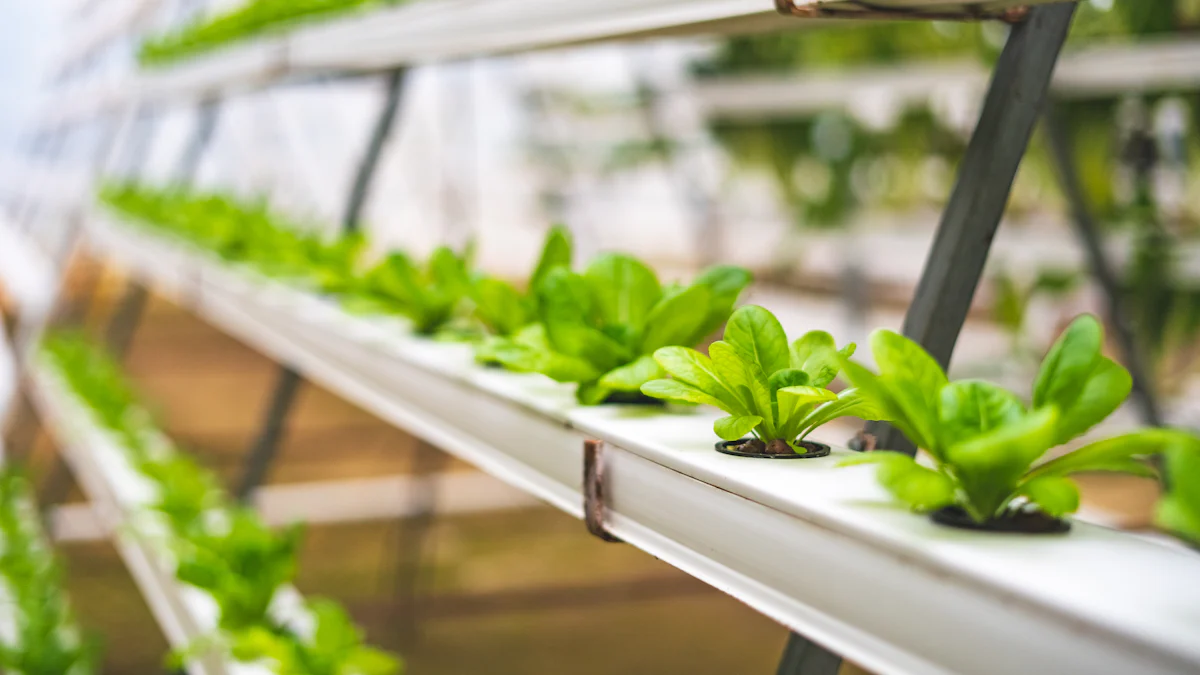
Emerging Technologies
Blockchain for transparency
Blockchain technology is transforming how you track and verify agricultural processes. By using blockchain, you can create a transparent and tamper-proof record of every stage in your hydroponic farming system. This includes tracking the origin of seeds, monitoring nutrient usage, and verifying harvest dates. Consumers gain confidence in your produce because they can trace its journey from farm to table. Blockchain also helps you streamline supply chain management by reducing errors and improving accountability. This technology ensures that your farming practices remain transparent and trustworthy.
Robotics for automation
Robotics is revolutionizing hydroponic farming by automating labor-intensive tasks. Robots can handle planting, harvesting, and even monitoring plant health with precision. For example, robotic arms can transplant seedlings or pick ripe crops without damaging them. Automated systems reduce the need for manual labor, saving you time and effort. Robots equipped with sensors can also detect issues like pest infestations or nutrient deficiencies. By integrating robotics into your hydroponic setup, you increase efficiency and maintain consistent crop quality. This innovation allows you to focus on optimizing other aspects of your farm.
AI and Machine Learning Innovations
Predictive analytics for crop management
AI-powered predictive analytics is changing how you manage crops. By analyzing historical and real-time data, AI systems forecast growth patterns, harvest times, and potential challenges. For instance, predictive models can alert you to changes in temperature or humidity that might affect plant health. This foresight helps you prepare and take proactive measures to protect your crops. Predictive analytics also enables you to optimize resource allocation, ensuring that water, nutrients, and energy are used efficiently. With this tool, you make smarter decisions that enhance productivity and sustainability.
Autonomous farming systems
Autonomous farming systems are taking hydroponics to the next level. These systems use AI and machine learning to operate independently, requiring minimal human intervention. For example, autonomous systems can adjust light intensity, nutrient delivery, and water flow based on real-time data. They can also identify and address issues like equipment malfunctions or environmental changes. By adopting autonomous systems, you reduce the risk of human error and improve overall efficiency. These innovations make it easier for you to manage large-scale operations while maintaining high standards of quality.
Impact on Sustainable Agriculture
Reducing environmental impact
Smart hydroponic farming plays a crucial role in reducing environmental impact. By using advanced technologies, you minimize water and energy consumption. Closed-loop systems recycle water, preventing waste and conserving resources. Precision tools ensure that nutrients are delivered efficiently, reducing runoff that could harm ecosystems. Automated systems also lower the need for chemical pesticides and fertilizers, promoting eco-friendly practices. By adopting these methods, you contribute to a more sustainable future for agriculture.
Addressing global food security
Hydroponic farming combined with smart technology offers solutions to global food security challenges. You can grow crops in controlled environments, making it possible to produce food in regions with poor soil or harsh climates. Vertical farming and space-saving techniques allow you to maximize output in urban areas. Faster growth cycles and consistent yields help you meet the demands of a growing population. By embracing these innovations, you play a vital role in ensuring that everyone has access to fresh and nutritious food.
Integrating hydroponics with smart technology offers you a powerful way to revolutionize farming. This combination enhances resource efficiency, boosts productivity, and ensures consistent crop quality. It empowers you to grow food sustainably while addressing global challenges like food security.
You may face challenges such as high costs and technical complexities. However, these obstacles highlight the need for continuous innovation and collaboration.
By embracing this approach, you contribute to a future where agriculture thrives sustainably. Technology becomes your ally in creating a resilient food system that meets the needs of a growing population.
FAQ
What is hydroponic farming, and how does it differ from traditional farming?
Hydroponic farming is a method of growing plants without soil. Instead, you use a nutrient-rich water solution to deliver essential minerals directly to the plant roots. Unlike traditional farming, hydroponics allows you to control the growing environment with precision. This method uses less water, eliminates the need for soil, and enables year-round crop production in controlled environments.
How does smart technology improve hydroponic farming?
Smart technology enhances hydroponic farming by providing tools for real-time monitoring, data analysis, and automation. IoT sensors track critical factors like water levels, nutrient concentration, and temperature. AI systems analyze this data and recommend adjustments to optimize growth conditions. These technologies help you save resources, increase yields, and maintain consistent crop quality.
Is hydroponic farming sustainable?
Yes, hydroponic farming is highly sustainable. It uses up to 90% less water than traditional farming because the system recycles water. Nutrients are delivered directly to plants, reducing waste. By eliminating the need for soil, hydroponics prevents land degradation. Smart technology further enhances sustainability by optimizing resource usage and minimizing environmental impact.
Can hydroponic farming work in urban areas?
Hydroponic farming is ideal for urban areas. You can set up vertical farms or compact systems in small spaces like rooftops, basements, or warehouses. This method allows you to grow fresh produce close to urban centers, reducing transportation costs and emissions. Urban hydroponic farms make it possible to produce food sustainably in densely populated areas.
What crops can you grow using hydroponics?
You can grow a wide variety of crops using hydroponics. Leafy greens like lettuce, spinach, and kale thrive in hydroponic systems. Herbs such as basil, mint, and cilantro also grow well. Some fruits, like strawberries and tomatoes, can be cultivated hydroponically. The flexibility of this method allows you to grow crops that might not thrive in your local soil or climate.
Is smart hydroponic farming expensive to start?
Smart hydroponic farming requires a significant initial investment. You need to purchase equipment like IoT sensors, AI systems, and automated controls. Setting up the infrastructure, such as lighting and water circulation systems, also adds to the cost. However, the long-term savings from efficient resource usage and higher yields can offset these expenses over time.
Do you need technical expertise to manage a smart hydroponic system?
Managing a smart hydroponic system requires some technical knowledge. You need to understand how to operate sensors, software, and automated controls. Many systems come with user-friendly interfaces and support resources to help you get started. With practice and training, you can learn to manage your system effectively, even if you are new to smart farming technologies.
What are the main challenges of integrating smart technology with hydroponics?
The main challenges include high initial costs, technical complexities, and the risk of malfunctions. Setting up and maintaining smart systems can be expensive. Integrating various devices and software requires careful planning and expertise. Technology reliance increases the risk of disruptions from power outages or equipment failures. Addressing these challenges requires preparation and ongoing support.
How does hydroponic farming contribute to global food security?
Hydroponic farming helps address global food security by enabling year-round crop production in controlled environments. You can grow food in regions with poor soil or harsh climates. Vertical farming techniques maximize output in urban areas. Faster growth cycles and consistent yields ensure a steady supply of fresh produce, meeting the demands of a growing population.
What is the future of smart hydroponic farming?
The future of smart hydroponic farming includes advancements in AI, robotics, and blockchain technology. AI will enable predictive analytics and autonomous farming systems. Robotics will automate tasks like planting and harvesting. Blockchain will enhance transparency and traceability in food production. These innovations will make hydroponic farming more efficient, accessible, and sustainable, shaping the future of agriculture.