


Leave Your Message
How to Create an Efficient Solar Greenhouse
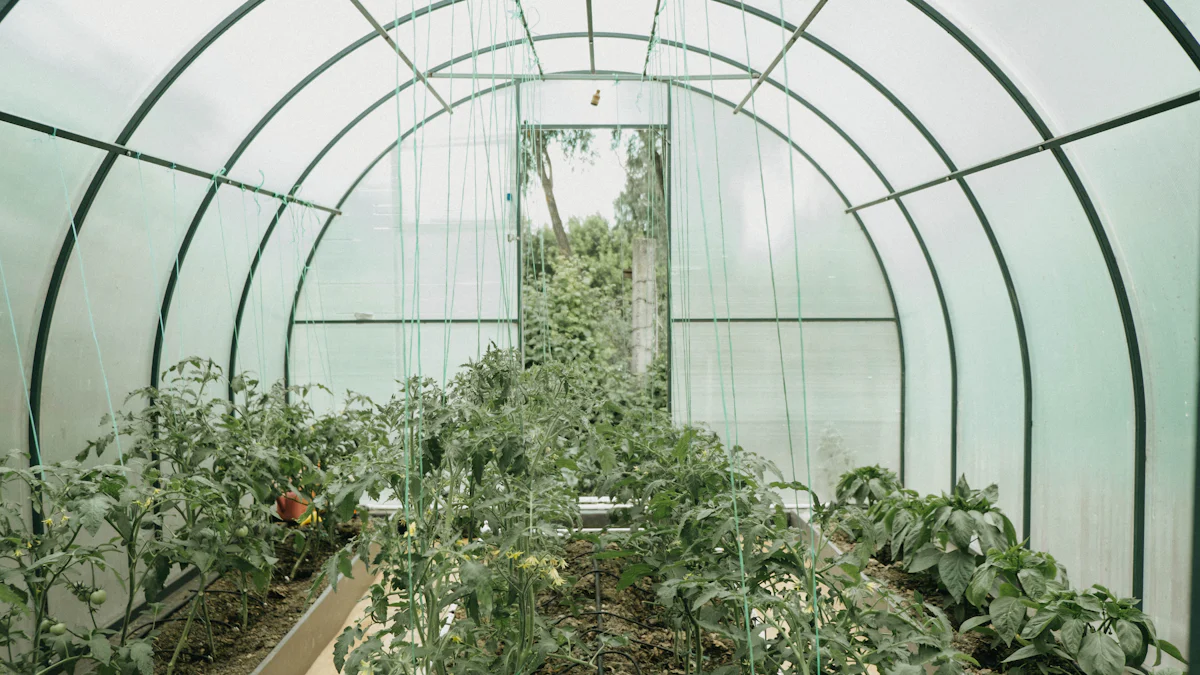
Imagine stepping into a world where your plants thrive, basking in the warmth of the sun, even during the coldest months. Creating a Solar Greenhouse allows you to harness the sun's energy efficiently, transforming it into a nurturing haven for your plants. You can design a space that aligns with your climate and gardening aspirations. Embrace the journey of building a Solar Greenhouse, where innovation meets nature, and watch your garden flourish like never before.
Key Takeaways
- Define your greenhouse's purpose clearly to guide its design and functionality, whether for year-round or seasonal use.
- Understand your climate zone to select suitable plants and design your greenhouse for optimal growing conditions.
- Choose a location with maximum sunlight exposure and orient your greenhouse to capture the most solar energy.
- Select durable materials and a well-suited shape to enhance sunlight capture and ensure structural stability.
- Incorporate effective insulation and thermal mass to maintain a stable temperature for your plants throughout the year.
- Ensure proper ventilation and glazing to promote healthy airflow and maximize light for plant growth.
- Plan for additional features like heating systems and workspaces to enhance the functionality and convenience of your greenhouse.
Setting Goals for Your Solar Greenhouse
Defining the Purpose
Creating a Solar Greenhouse begins with a clear vision. What do you want to grow? This decision shapes your greenhouse's design and functionality. Whether you dream of cultivating vibrant vegetables, fragrant herbs, or exotic flowers, your choices will guide your journey.
Consider if you want to use your greenhouse year-round or seasonally. Year-round use requires more planning for insulation and heating. Seasonal use might focus on maximizing sunlight during specific months. Each choice impacts your greenhouse's efficiency and sustainability.
Understanding Your Climate Zone
Understanding your climate zone is crucial for a successful Solar Greenhouse. Start by identifying your USDA hardiness zone. This information helps you select plants that thrive in your area. It also guides your greenhouse's design to ensure optimal growing conditions.
Assess local weather patterns. Do you experience harsh winters or scorching summers? Knowing these details allows you to tailor your greenhouse to withstand local conditions. You can plan for insulation, ventilation, and shading based on your climate's demands. This knowledge empowers you to create a thriving environment for your plants.
Site Selection for Solar Greenhouse
Choosing the Right Location
Selecting the perfect spot for your Solar Greenhouse is crucial. You want to ensure that your greenhouse receives unobstructed sunlight. Look for a location free from shadows cast by trees, buildings, or other structures. Sunlight is the lifeblood of your greenhouse, and maximizing its exposure will boost plant growth and energy efficiency.
Proximity to utilities is another important factor. Consider how close your greenhouse will be to water and electricity sources. Easy access to these utilities simplifies maintenance and operation. You can save time and effort by planning for these needs in advance.
Optimal Orientation
Aligning your greenhouse for maximum solar gain is essential. Position the structure so that it captures the most sunlight throughout the day. Typically, orienting the greenhouse with its longest side facing south is ideal. This orientation allows for the greatest solar exposure, especially during the winter months when sunlight is limited.
Wind protection is also vital. Strong winds can damage your greenhouse and affect its internal temperature. Consider natural windbreaks like hedges or fences. These barriers can shield your greenhouse from harsh winds, maintaining a stable environment for your plants. By carefully selecting and orienting your site, you set the stage for a thriving Solar Greenhouse.
Design Elements of a Solar Greenhouse
Aspect Ratio and Shape
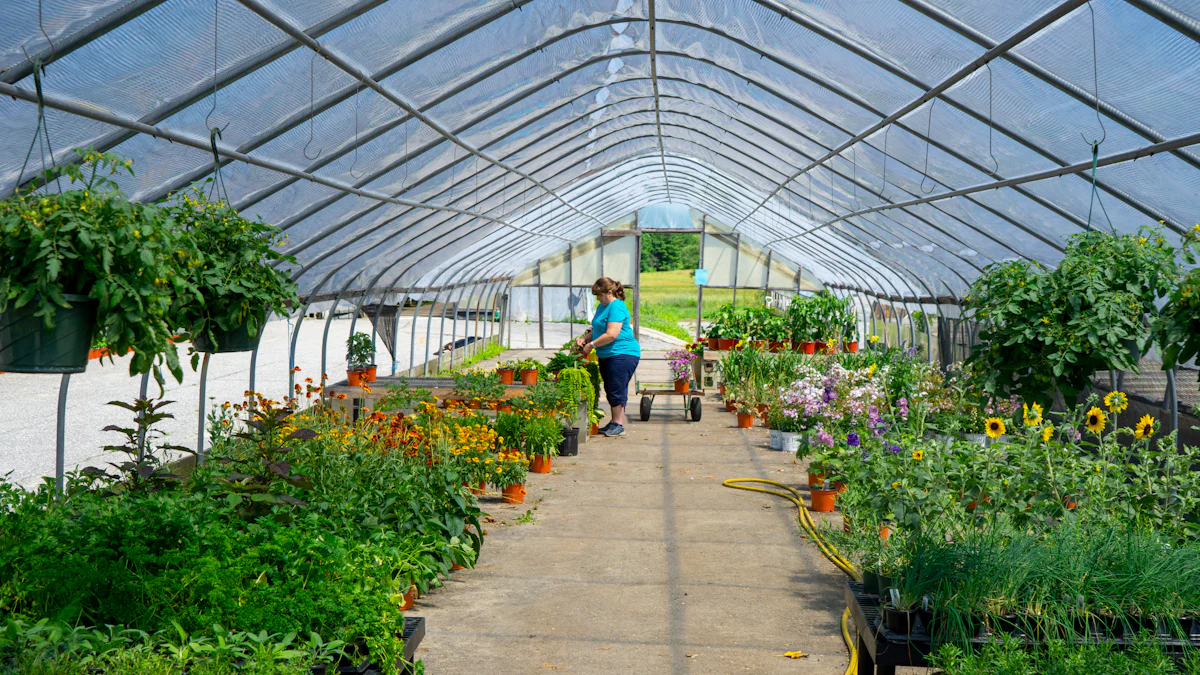
Choosing the right shape for your Solar Greenhouse can make a significant difference in how much sunlight it captures. A well-designed shape maximizes sunlight exposure, ensuring your plants receive the energy they need to thrive. Consider shapes like the geodesic dome, which evenly distributes sunlight throughout the day. This design not only enhances light absorption but also creates a visually stunning structure.
Structural stability is another crucial factor. You want a greenhouse that withstands various weather conditions. A strong foundation and sturdy frame provide the necessary support. Think about the materials and design that will offer both durability and aesthetic appeal. By focusing on these elements, you create a greenhouse that stands the test of time and weather.
Structural Considerations
Selecting durable materials is essential for a long-lasting Solar Greenhouse. Materials like polycarbonate panels or tempered glass offer excellent insulation and light transmission. These materials ensure your greenhouse remains efficient and effective in harnessing solar energy. Additionally, they provide the strength needed to endure harsh weather conditions.
Planning for future expansions can save you time and resources. As your gardening ambitions grow, you may want to expand your greenhouse. Designing with expansion in mind allows for seamless additions. Consider modular designs that enable easy adjustments. This foresight ensures your greenhouse evolves with your gardening journey, accommodating new plants and technologies.
Insulation and Thermal Mass in Solar Greenhouses
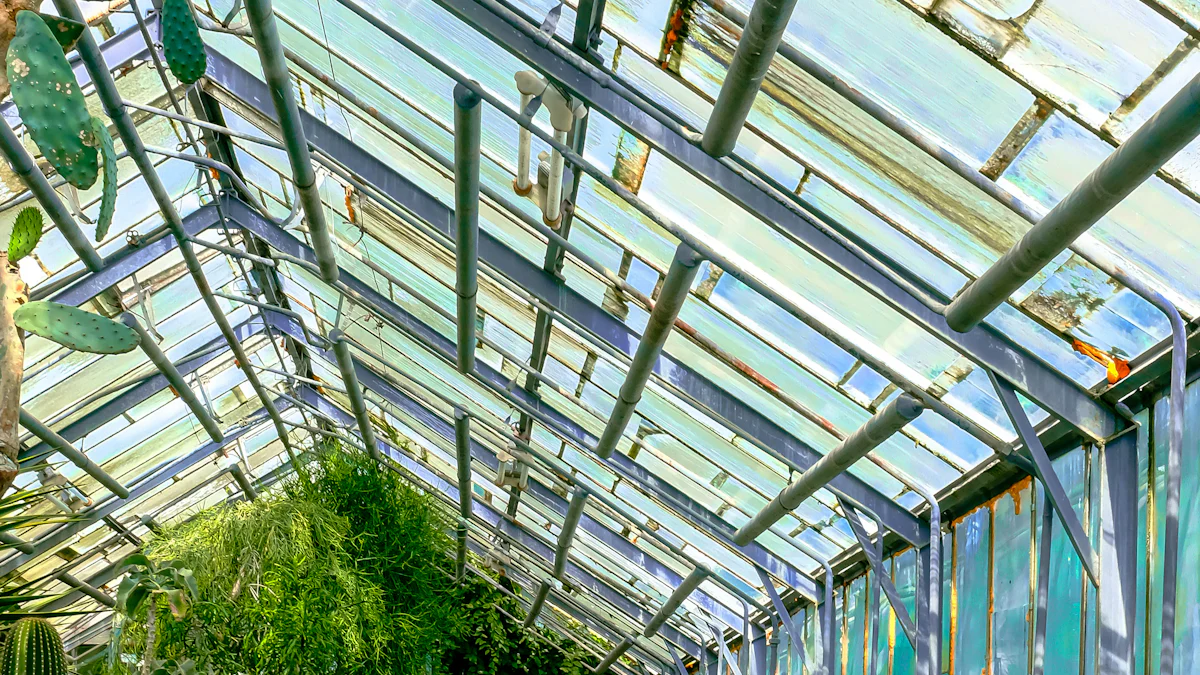
Creating an efficient Solar Greenhouse requires careful attention to insulation and thermal mass. These elements play a crucial role in maintaining a stable temperature, ensuring your plants thrive regardless of external weather conditions.
Insulation Strategies
Insulation acts as a protective barrier, keeping the warmth inside your greenhouse. You can achieve this by using double glazing or polycarbonate panels. These materials trap heat effectively, reducing energy loss. Double glazing consists of two layers of glass with a space between them, which acts as an insulator. Polycarbonate panels offer similar benefits with added durability and light diffusion.
Sealing gaps is another vital step in preventing heat loss. Examine your greenhouse for any cracks or openings where air might escape. Use weatherstripping or caulk to seal these areas. By doing so, you create a more energy-efficient environment, allowing your plants to flourish even during colder months.
Incorporating Thermal Mass
Thermal mass refers to materials that absorb, store, and release heat. In a Solar Greenhouse, you can use water barrels or stone walls as effective thermal mass. Water barrels, filled with water, absorb heat during the day and release it at night, maintaining a consistent temperature. Stone walls work similarly, storing heat from the sun and radiating it when temperatures drop.
Positioning thermal mass correctly is essential for optimal heat absorption. Place these materials where they receive maximum sunlight exposure. This strategic placement ensures they capture and store as much heat as possible. By incorporating thermal mass, you create a self-regulating environment that supports plant growth year-round.
Ventilation and Glazing in Solar Greenhouses
Creating an efficient Solar Greenhouse involves more than just capturing sunlight. Proper ventilation and glazing play crucial roles in maintaining a healthy environment for your plants. Let's explore how you can optimize these elements to ensure your greenhouse thrives.
Ensuring Proper Airflow
Airflow is vital for plant health. It prevents overheating and reduces humidity levels, which can lead to mold and disease. To achieve this, you should install vents and fans. Vents allow hot air to escape, while fans circulate fresh air throughout the greenhouse. This combination keeps the temperature stable and provides your plants with the oxygen they need.
Automatic vent openers offer a convenient solution for maintaining airflow. These devices open and close vents based on the temperature inside the greenhouse. By using automatic vent openers, you ensure that your plants receive consistent airflow without constant monitoring. This technology allows you to focus on other aspects of gardening while maintaining an optimal environment.
Maximizing Light with Glazing
Glazing materials determine how much light enters your greenhouse. Choosing high-transparency materials ensures that your plants receive maximum sunlight. Materials like clear glass or polycarbonate panels provide excellent light transmission. They allow sunlight to penetrate deeply, promoting photosynthesis and plant growth.
Seasonal shading options help manage light levels during different times of the year. In summer, excess sunlight can overheat your greenhouse. Consider using shade cloths or retractable blinds to reduce light intensity. These options allow you to control the amount of sunlight entering the greenhouse, ensuring your plants receive the right balance of light and shade.
By focusing on ventilation and glazing, you create a Solar Greenhouse that supports healthy plant growth. These elements work together to maintain a stable environment, allowing your garden to flourish in any season.
Additional Features for Solar Greenhouses
Enhancing your Solar Greenhouse with additional features can elevate its functionality and efficiency. These features not only improve the growing environment but also make your gardening experience more enjoyable and productive.
Integrating Heating Systems
Consider passive solar heating
Harness the power of the sun to naturally heat your greenhouse. Passive solar heating involves using design elements that capture and store solar energy. Incorporate materials like concrete or brick that absorb heat during the day and release it at night. This method maintains a stable temperature, reducing the need for artificial heating. By relying on passive solar heating, you create an eco-friendly and cost-effective solution for your greenhouse.
Explore supplemental heating options
Sometimes, passive solar heating might not suffice, especially in colder climates. Explore supplemental heating options to ensure your plants stay warm. Electric heaters or propane heaters can provide the necessary warmth during extreme cold spells. Choose energy-efficient models to minimize costs and environmental impact. By integrating these systems, you guarantee a consistent growing environment, regardless of external temperatures.
Adding Amenities
Plan for water and electricity access
Ensure your Solar Greenhouse has easy access to water and electricity. Install a reliable water source for irrigation, such as a hose or drip system. This setup simplifies watering tasks and ensures your plants receive adequate moisture. Electricity access is crucial for powering lights, fans, and other equipment. Plan the layout to include electrical outlets in convenient locations. With these amenities, you streamline operations and enhance the greenhouse's functionality.
Include workspaces and storage
Create dedicated spaces for work and storage within your greenhouse. A small workbench provides a place for potting plants and organizing tools. Shelving units or cabinets offer storage for gardening supplies, keeping everything within reach. These additions help maintain an organized and efficient workspace. By incorporating workspaces and storage, you transform your greenhouse into a well-equipped hub for all your gardening activities.
Creating an efficient Solar Greenhouse involves several key steps. You start by setting clear goals and understanding your climate zone. Choose the right location and orientation to maximize sunlight. Design with the best shape and materials for durability and efficiency. Focus on insulation and thermal mass to maintain a stable temperature. Ensure proper ventilation and glazing for optimal light and airflow. Add features like heating systems and amenities for convenience. With these steps, you can confidently embark on your Solar Greenhouse project, blending innovation with nature to create a thriving garden.
FAQ
What is a solar greenhouse?
A solar greenhouse is a structure designed to capture and retain solar energy. It creates a warm environment for plants, even in cold weather. You can grow a variety of plants year-round by using the sun's energy efficiently.
How does a solar greenhouse differ from a regular greenhouse?
A solar greenhouse focuses on maximizing solar energy use. It incorporates design elements like insulation, thermal mass, and proper orientation. These features help maintain a stable temperature without relying heavily on external heating sources.
Can I build a solar greenhouse in any climate?
Yes, you can build a solar greenhouse in any climate. You need to tailor the design to your specific climate conditions. Consider factors like insulation, ventilation, and thermal mass to ensure your greenhouse thrives in your local environment.
What materials are best for building a solar greenhouse?
Polycarbonate panels and tempered glass are excellent choices. They provide good insulation and light transmission. These materials help your greenhouse capture and retain solar energy effectively.
How do I maintain a stable temperature in my solar greenhouse?
Use insulation and thermal mass to maintain a stable temperature. Insulation keeps heat inside, while thermal mass stores and releases heat. Position thermal mass materials like water barrels or stone walls to absorb sunlight during the day.
Do I need additional heating systems for my solar greenhouse?
In some climates, passive solar heating might suffice. However, in colder regions, you may need supplemental heating. Consider energy-efficient options like electric or propane heaters to ensure your plants stay warm.
How important is ventilation in a solar greenhouse?
Ventilation is crucial for plant health. It prevents overheating and reduces humidity. Install vents and fans to maintain proper airflow. Automatic vent openers can help regulate temperature without constant monitoring.
What are the benefits of using glazing materials in a solar greenhouse?
Glazing materials allow sunlight to enter your greenhouse. High-transparency materials like clear glass or polycarbonate panels maximize light exposure. This promotes photosynthesis and supports healthy plant growth.
Can I expand my solar greenhouse in the future?
Yes, you can plan for future expansions. Design your greenhouse with modular elements that allow easy adjustments. This flexibility lets you accommodate new plants and technologies as your gardening ambitions grow.
How do I ensure my solar greenhouse is energy-efficient?
Focus on key design elements like orientation, insulation, and thermal mass. Use durable materials and plan for proper ventilation. By optimizing these factors, you create an energy-efficient environment that supports plant growth year-round.