


Leave Your Message
How To Grow Hydroponic Plants
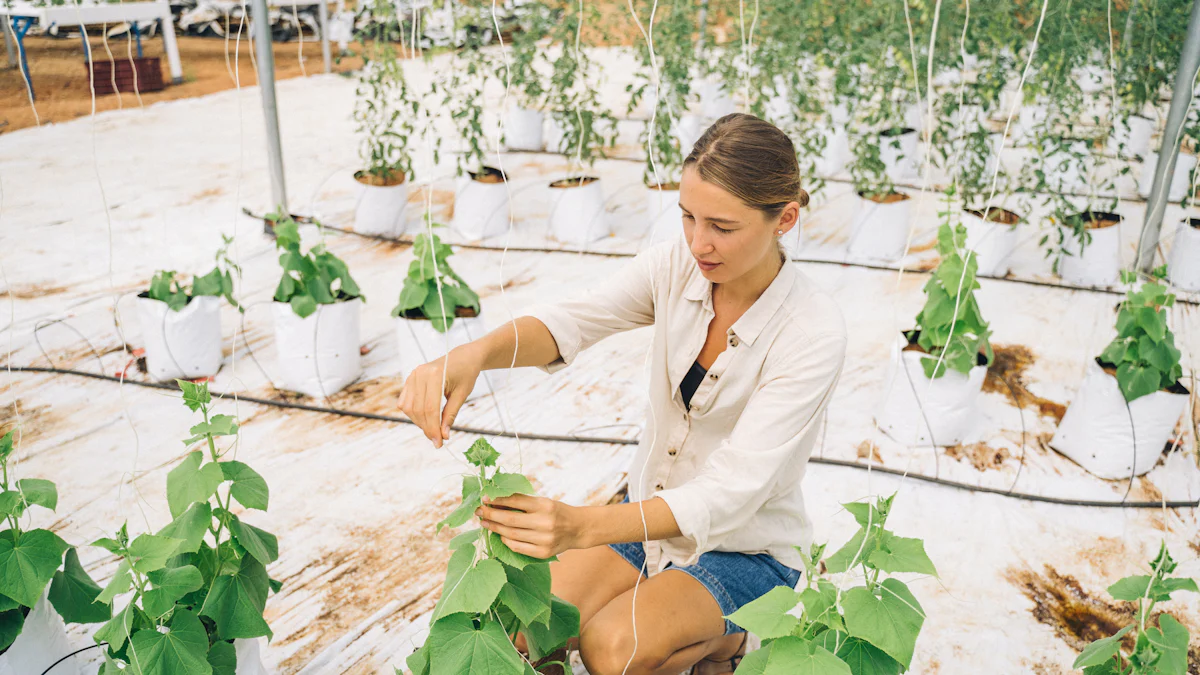
Hydroponic gardening lets you grow plants in nutrient-rich water instead of soil. This method offers several benefits that make it an attractive option for gardeners. You can enjoy faster plant growth, with some plants growing at least 20% quicker than in traditional soil. Hydroponics also uses resources efficiently, conserving up to 90% more water. Plus, it allows for year-round cultivation, even in limited spaces. Whether you're a seasoned gardener or a beginner, hydroponics provides a sustainable and productive way to grow Hydroponic Plants right at home.
Understanding Hydroponic Systems
When you decide to grow hydroponic plants, understanding the different systems available is crucial. Each system offers unique benefits and challenges, so it's important to choose one that suits your needs.
Types of Hydroponic Systems
Hydroponic Systems come in various forms, each with its own method of delivering nutrients to plants. Here are three popular types:
Nutrient Film Technique (NFT)
The Nutrient Film Technique (NFT) involves a thin film of nutrient-rich water flowing over the roots of plants. This system is ideal for growing hydroponic plants like lettuce and herbs. The constant flow ensures that roots receive a steady supply of nutrients and oxygen. However, it requires careful monitoring to prevent pump failures, which can lead to plant dehydration.
Deep Water Culture (DWC)
In Deep Water Culture (DWC), plants float on a nutrient solution with their roots submerged in water. This system is low maintenance once set up. It's great for growing hydroponic plants such as herbs, lettuce, and leafy greens. You can also grow tomatoes and peppers with some effort. DWC provides an optimal environment for rapid growth, but it may not be suitable for larger, slow-growing plants.
Ebb and Flow (Flood and Drain)
The Ebb and Flow system, also known as Flood and Drain, periodically floods the plant roots with nutrient solution before draining it away. This cycle ensures that roots receive both nutrients and oxygen. It's a versatile system that works well for a variety of plants. However, it requires a timer and pump to manage the flooding cycles effectively.
Choosing the Right System for Your Needs
Selecting the right hydroponic system depends on several factors. Consider these aspects to make an informed decision:
Factors to Consider (space, budget, plant type)
- Space: Evaluate the space you have available. Some systems, like NFT, require more horizontal space, while others, like DWC, can be more compact.
- Budget: Determine your budget. Simple systems like DWC are often more affordable, while advanced setups like NFT may require a higher initial investment.
- Plant Type: Think about the types of plants you want to grow. Leafy greens and herbs thrive in most systems, but larger plants might need specific setups.
Suitability for Different Plants
Different hydroponic systems cater to various plant types. For instance, Hydroponics Systems for Lettuce and Leafy Vegetables provide an optimal environment for these plants, ensuring consistent, high-quality yields. If you're a beginner, consider starting with systems like wick or water culture, which are easier to manage. As you gain experience, you can explore more advanced systems like aeroponics or nutrient film techniques.
By understanding these systems and considering your specific needs, you can successfully grow hydroponic plants and enjoy the benefits of this innovative gardening method.
Setting Up Your Hydroponic System
Selecting the Right Equipment
To start your hydroponic journey, you need the right equipment. This ensures your plants grow healthy and strong.
Containers and Grow Trays
First, choose containers and grow trays. These hold your plants and nutrient solution. You can use plastic containers or trays. They should be durable and non-toxic. Ensure they have enough space for root growth. You might want to consider using opaque containers. These prevent algae growth by blocking light.
Pumps and Aeration
Next, focus on pumps and aeration. Pumps circulate the nutrient solution. This keeps it fresh and oxygenated. Aeration is crucial. It provides oxygen to plant roots. You can use air stones or diffusers. These create bubbles in the water, enhancing oxygen levels. Proper aeration leads to healthier plants.
Preparing the Nutrient Solution
The nutrient solution is the lifeblood of your hydroponic system. It provides essential nutrients directly to plant roots.
Essential Nutrients for Plant Growth
Plants need a mix of nutrients to thrive. These include nitrogen, phosphorus, and potassium. They also require calcium, magnesium, and sulfur. Trace elements like iron and zinc are important too. You can buy pre-mixed hydroponic nutrient solutions. These ensure the right balance for your plants.
Scientific Research Findings: Nutrients are vital components facilitating plant growth and development in soil-less environments. Precise control over nutrient delivery in hydroponic systems ensures optimal nutrition, leading to healthier and more productive crops.
Mixing and Monitoring pH Levels
Mixing the nutrient solution requires care. Follow the instructions on the nutrient package. Use clean water to avoid contamination. After mixing, check the pH level. The ideal pH for most hydroponic plants is between 5.5 and 6.5. Use a pH meter to monitor this regularly. Adjust the pH with solutions if needed. Keeping the pH in check ensures nutrient absorption.
Planting and Initial Setup
Once your system is ready, it's time to plant. This step sets the stage for your plants' growth.
Choosing Seeds or Seedlings
Decide whether to start with seeds or seedlings. Seeds are cost-effective. They allow you to grow a wide variety of plants. However, they take longer to mature. Seedlings are young plants. They give you a head start. Choose healthy seedlings for the best results.
Setting Up Grow Lights
Light is crucial for plant growth. If you're growing indoors, set up grow lights. LED lights are energy-efficient and effective. Position them above your plants. Ensure they provide enough light for photosynthesis. Most plants need at least 12-16 hours of light daily. Adjust the height of the lights as plants grow. This prevents burning and ensures even light distribution.
By following these steps, you can set up a successful hydroponic system. You'll enjoy the benefits of growing plants in a controlled environment. Happy gardening!
Maintaining Your Hydroponic Garden
Keeping your hydroponic garden in top shape requires regular attention. By staying on top of maintenance tasks, you ensure your plants thrive and produce bountiful yields.
Regular Maintenance Tasks
Monitoring Water Levels and Nutrients
You need to keep a close eye on water levels and nutrient concentrations. Plants rely on a consistent supply of nutrients to grow well. Check the water level daily. Make sure it covers the roots adequately. If the water level drops too low, roots can dry out, affecting plant health. Use a nutrient meter to measure the concentration of nutrients in the solution. Adjust as needed to maintain optimal levels.
Checking for Pests and Diseases
Even in a controlled environment, pests and diseases can find their way into your garden. Inspect your plants regularly for signs of trouble. Look for discolored leaves, spots, or wilting. These can indicate pest infestations or disease. If you spot any issues, act quickly. Remove affected plants or use organic pest control methods to prevent the problem from spreading.
Troubleshooting Common Issues
Identifying Nutrient Deficiencies
Nutrient deficiencies can stunt plant growth and reduce yields. You should learn to recognize the signs. Yellowing leaves often indicate a lack of nitrogen. Purple or reddish leaves might mean a phosphorus deficiency. Use a nutrient chart to diagnose issues accurately. Once identified, adjust your nutrient solution to address the deficiency.
Managing Algae Growth
Algae can become a nuisance in hydroponic systems. It competes with plants for nutrients and can clog equipment. To manage algae, keep your system clean. Use opaque containers to block light, which algae need to grow. Regularly clean your equipment and change the nutrient solution. If algae persist, consider using an algaecide designed for hydroponic systems.
Technical Expertise: Successful hydroponic cultivation requires a certain level of technical expertise and knowledge of the systems involved. The learning curve for adopting hydroponics may be steep for traditional farmers who are accustomed to conventional farming methods.
By following these maintenance tips, you can keep your hydroponic garden healthy and productive. Regular checks and adjustments ensure your plants receive the care they need to flourish. Happy gardening!
Frequently Asked Questions
Can I grow any plant hydroponically?
You might wonder if every plant can thrive in a hydroponic system. While many plants adapt well, some are more suited than others. Leafy greens like lettuce and spinach flourish in hydroponics. Herbs such as basil and mint also do exceptionally well. You can even grow tomatoes and peppers with the right setup. However, root vegetables like carrots and potatoes pose challenges due to their growth habits. They require more space and specific conditions. So, while you can experiment with various plants, starting with those known to succeed in hydroponics is wise.
How often should I change the nutrient solution?
Maintaining the nutrient solution is crucial for healthy plant growth. You should change it every two to three weeks. This schedule ensures that plants receive fresh nutrients and prevents the buildup of unwanted substances. Regularly check the solution's pH and nutrient levels. Adjust them as needed to keep your plants thriving. Consistent monitoring helps you catch any imbalances early, ensuring your plants get the best care possible.
What is the ideal temperature for hydroponic plants?
Temperature plays a vital role in hydroponic gardening. Most plants prefer a range between 65°F and 75°F (18°C to 24°C). This range supports optimal growth and nutrient absorption. Keeping the temperature stable is important. Fluctuations can stress plants and affect their health. Use fans or heaters to maintain the right environment. Remember, hydroponics provides constant access to oxygen and nutrients, so maintaining the ideal temperature enhances these benefits. By keeping conditions just right, you help your plants reach their full potential.
Starting your hydroponic garden involves a few key steps. First, choose the right system and equipment. Then, prepare your nutrient solution and plant your seeds or seedlings. Regular maintenance keeps your garden thriving. Experiment with different plants and systems. Enjoy the process and watch your plants grow faster and healthier. Now's the time to dive into hydroponics. Set up your own garden and experience the joy of growing fresh produce at home. Happy gardening!