


Leave Your Message
How To Make a Gothic Arch Greenhouse
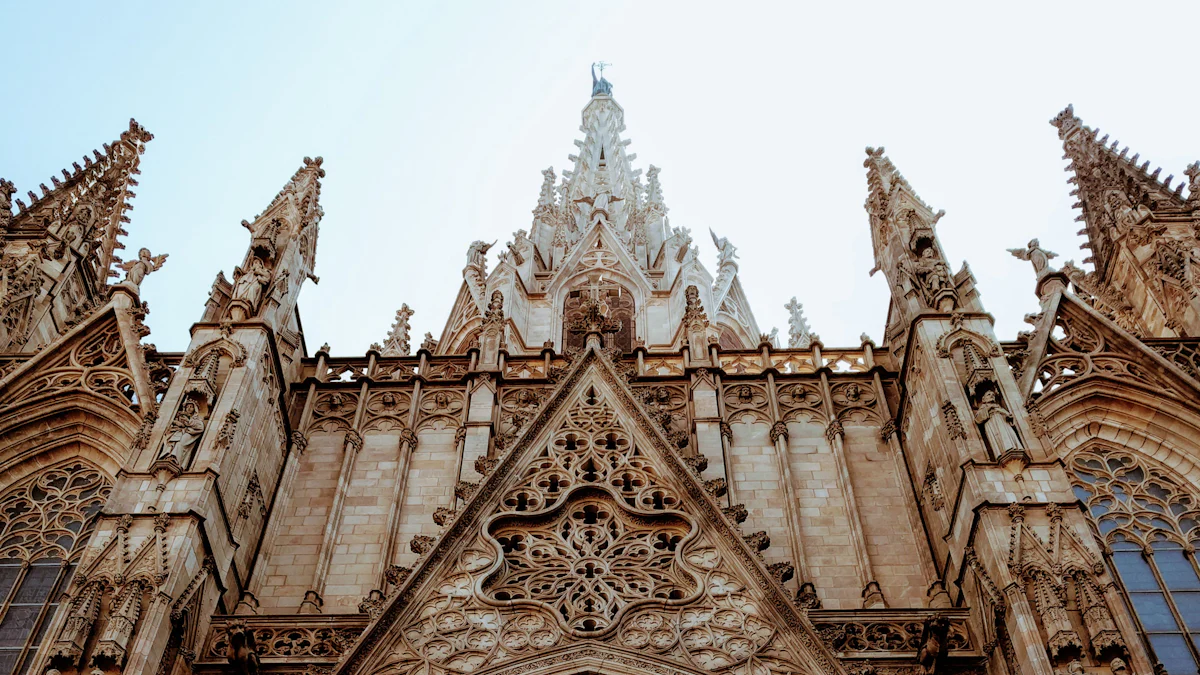
Ever wondered how to make a gothic arch greenhouse? This unique structure not only adds charm to your garden but also offers practical benefits. The pointed arch design provides more headroom, perfect for tall plants. Plus, it enhances energy efficiency, requiring less heating compared to other designs. The slope of the arch allows rainwater and snow to slide off easily, preventing water accumulation. With its sturdy construction, a gothic arch greenhouse stands strong against heavy snow loads and strong winds. Ready to start your project? Let's dive into the details!
Selecting the Right Location
Choosing the perfect spot for your gothic arch greenhouse is crucial. It affects how well your plants grow and how efficiently your greenhouse operates. Let's break it down into two main considerations: sunlight and shade, and wind and weather.
Assessing Sunlight and Shade
Sunlight is the lifeblood of any greenhouse. You want to place your greenhouse where it can soak up the most sun. Ideally, aim for a location that gets at least six hours of direct sunlight each day. This ensures your plants get enough light for photosynthesis, which is essential for their growth.
- Morning Sunlight: Position your greenhouse to capture the morning sun. This helps warm up the space early in the day, giving your plants a head start.
- Avoiding Shade: Watch out for trees, buildings, or other structures that might cast shadows over your greenhouse. These can block sunlight and reduce the effectiveness of your greenhouse.
Remember, the right amount of sunlight not only boosts plant growth but also helps maintain the internal temperature, reducing the need for additional heating.
Considering Wind and Weather
Wind can be both a friend and a foe to your greenhouse. While a gentle breeze aids ventilation, strong winds can cause damage. Here's how to manage it:
- Wind Direction: Identify the prevailing wind direction in your area. Position your greenhouse so that the wind hits the shorter side. This reduces the surface area exposed to strong gusts, minimizing potential damage.
- Natural Windbreaks: Use natural barriers like hedges or fences to shield your greenhouse from harsh winds. These can act as buffers, protecting your structure while still allowing for necessary airflow.
Weather conditions, such as rain and snow, also play a role. The gothic arch design naturally sheds water and snow, but it's wise to avoid low-lying areas prone to flooding. A well-drained site ensures your greenhouse remains dry and stable.
By carefully selecting your greenhouse location, you set the stage for a thriving garden. Keep these factors in mind, and you'll create an environment where your plants can flourish.
Designing the Gothic Arch Greenhouse
Designing your gothic arch greenhouse involves some key decisions. You need to think about the size, shape, and materials. These choices will affect how well your greenhouse works and how it looks in your garden.
Choosing the Right Size and Shape
When it comes to size, consider what you plan to grow. If you want to cultivate tall plants, a larger gothic arch greenhouse with more headroom is ideal. The unique architecture of a gothic arch provides ample vertical space, which is perfect for accommodating taller plants and equipment like lighting and heaters.
- Small Greenhouses: Great for hobbyists or those with limited space. They offer enough room for a few plants and are easy to manage.
- Medium Greenhouses: Suitable for serious gardeners. They provide more space for a variety of plants and allow for some equipment.
- Large Greenhouses: Ideal for commercial growers or those with extensive gardening needs. They offer maximum space and flexibility.
Shape matters too. The gothic arch design not only looks elegant but also enhances functionality. Its pointed arch helps with water runoff and snow shedding, reducing maintenance needs. Plus, the low sidewall heights prevent weak points, ensuring a sturdy structure.
Selecting Materials
The materials you choose for your gothic arch greenhouse will determine its durability and efficiency. High-quality materials like aluminum, steel, and polycarbonate are excellent choices. They offer strength and resistance to the elements, ensuring your greenhouse stands the test of time.
- Aluminum: Lightweight yet strong. It resists rust and requires minimal maintenance.
- Steel: Offers superior strength and durability. It's perfect for larger structures that need extra support.
- Polycarbonate: Provides excellent insulation and light diffusion. It's a great alternative to glass, offering safety and energy efficiency.
Consider your budget and climate when selecting materials. While aluminum and polycarbonate are more affordable, steel might be necessary for areas with harsh weather conditions. Each material has its benefits, so choose the one that best fits your needs.
By carefully designing your gothic arch greenhouse, you create a space that's not only functional but also beautiful. With the right size, shape, and materials, your greenhouse will become a cherished part of your garden, providing a perfect environment for your plants to thrive.
Preparing the Site and Building the Foundation
Getting your site ready and laying a solid foundation are crucial steps in building your gothic arch greenhouse. These steps ensure stability and longevity for your structure. Let's dive into how you can prepare the ground and choose the right foundation.
Clearing and Leveling the Ground
First things first, you need to clear the area where your greenhouse will stand. Remove any debris, rocks, or vegetation. This creates a clean slate for your project. A clear site helps you avoid any obstacles during construction.
Next, focus on leveling the ground. Uneven terrain can lead to structural issues down the line. Use a shovel or a rake to even out the surface. You might need to bring in some soil to fill low spots. A level base ensures that your greenhouse sits properly and functions efficiently.
Choosing and Laying the Foundation
Once the ground is ready, it's time to think about the foundation. The foundation is the backbone of your greenhouse, providing support and stability. Here are some options you can consider:
-
Concrete Piers: These offer a cost-effective and stable option. Concrete piers provide excellent support and are relatively easy to install. They work well in most climates and soil types.
-
Gravel or Crushed Stone: This option is also budget-friendly and provides good drainage. Spread a layer of gravel or crushed stone over the leveled ground. This helps prevent water accumulation and keeps the base dry.
-
Footers: Footers are essential for preventing sagging or dropping of the structure's walls and floor. They distribute the weight evenly and provide a solid base. Consult local building codes to ensure compliance.
When choosing a foundation, consider your local climate and soil conditions. You might want to consult with professionals for plumbing and electrical considerations. A well-chosen foundation ensures your greenhouse remains sturdy and functional for years to come.
By taking the time to properly prepare your site and select the right foundation, you set the stage for a successful greenhouse project. These steps might seem tedious, but they are vital for the long-term success of your gothic arch greenhouse.
Assembling the Frame and Installing the Walls and Roof
Now that you've prepared the site and laid a solid foundation, it's time to bring your gothic arch greenhouse to life. This section will guide you through constructing the frame and installing the walls and roof. Let's get started!
Constructing the Gothic Arches
Building the gothic arches is a crucial step in creating the iconic shape of your greenhouse. These arches not only provide structural integrity but also add to the aesthetic appeal.
-
Gather Your Materials: You'll need flexible strips of wood, such as treated lumber, to form the arches. These strips work in tension and compression, creating a strong framework.
-
Create the Arch Shape: Bend the strips into the desired arch shape. You can use a template or jig to ensure consistency. Secure the ends of the strips to the base of your greenhouse.
-
Reinforce the Arches: Add blocks of wood between the strips for added strength. Glue these blocks in place, ensuring they fit snugly. This reinforcement helps the arches withstand wind and snow loads.
-
Install the Arches: Once the arches are ready, position them along the length of your greenhouse. Space them evenly to provide uniform support. Secure each arch to the foundation using brackets or screws.
Structural Engineer's Tip: "The unique design of a Gothic arch greenhouse provides benefits like increased headroom for taller plants, improved ventilation, and enhanced energy efficiency."
Attaching the Glazing and Sealing
With the frame in place, it's time to enclose your greenhouse. The glazing material you choose will affect light transmission and insulation.
-
Select Your Glazing Material: Polycarbonate is a popular choice due to its durability and light diffusion properties. It offers excellent insulation, making it ideal for energy efficiency.
-
Cut the Glazing Panels: Measure and cut the panels to fit between the arches. Ensure each panel fits snugly to prevent gaps.
-
Attach the Panels: Secure the panels to the arches using screws or clips. Start from one end and work your way to the other, ensuring each panel aligns properly.
-
Seal the Edges: Use weatherproof sealant to seal the edges of the panels. This prevents drafts and moisture from entering your greenhouse, maintaining a stable environment for your plants.
-
Install the Roof: Follow the same steps to attach the glazing to the roof. The pointed arch design helps with water runoff, reducing the risk of leaks.
By carefully assembling the frame and installing the walls and roof, you create a sturdy and efficient gothic arch greenhouse. This structure not only looks beautiful but also provides a perfect environment for your plants to thrive.
Adding Finishing Touches and Maintenance Tips
Installing Doors, Vents, and Interior Features
Now that your gothic arch greenhouse stands tall, it's time to add those finishing touches. These elements not only enhance functionality but also make your greenhouse more user-friendly.
-
Doors: Choose a door that suits your needs. Sliding doors save space and provide easy access. Hinged doors offer a traditional look. Ensure the door seals well to maintain the internal climate.
-
Vents: Proper ventilation is crucial for plant health. Install roof vents or side vents to allow hot air to escape. This helps regulate temperature and humidity levels inside the greenhouse.
-
Interior Features: Consider adding shelves or benches for organizing plants. Install hooks for hanging baskets. You might also want to include a water source for easy irrigation.
Greenhouse Owners' Tip: "Maintaining greenhouses is crucial for the success and health of produce grown. Basic tips and continuous research are essential for a thriving greenhouse."
These additions make your greenhouse more efficient and enjoyable to use. They also help create an optimal environment for your plants to thrive.
Regular Cleaning, Upkeep, and Seasonal Adjustments
Keeping your greenhouse in top shape requires regular maintenance. This ensures a healthy environment for your plants and prolongs the life of your structure.
-
Regular Cleaning: Clean the glazing panels to maximize light transmission. Remove dirt and algae buildup with a gentle soap solution. Rinse thoroughly to avoid residue.
-
Upkeep: Check for any structural damage or wear. Tighten loose screws and replace damaged parts promptly. Inspect the seals around doors and vents to prevent drafts.
-
Seasonal Adjustments: As seasons change, adjust your greenhouse settings. In summer, increase ventilation to prevent overheating. In winter, ensure proper insulation to retain heat.
Greenhouse Owners' Insight: "It can be beneficial to find ways to be more efficient and energy-efficient to save money. Researching the best practices and understanding greenhouse options are key."
By following these maintenance tips, you ensure your gothic arch greenhouse remains a productive and pleasant space. Regular care not only supports plant health but also enhances your gardening experience.
Building a gothic arch greenhouse offers you a rewarding experience. This structure not only extends your growing season but also protects your plants from harsh weather. Imagine the satisfaction of gardening within its elegant arches, where increased headroom and energy efficiency enhance your gardening endeavors. Ready to start your project? Dive in and enjoy the process. Remember, regular maintenance keeps your greenhouse thriving. Embrace this journey and watch your garden flourish.