


Leave Your Message
What Is a Hydroponic Gully System and How Does It Work
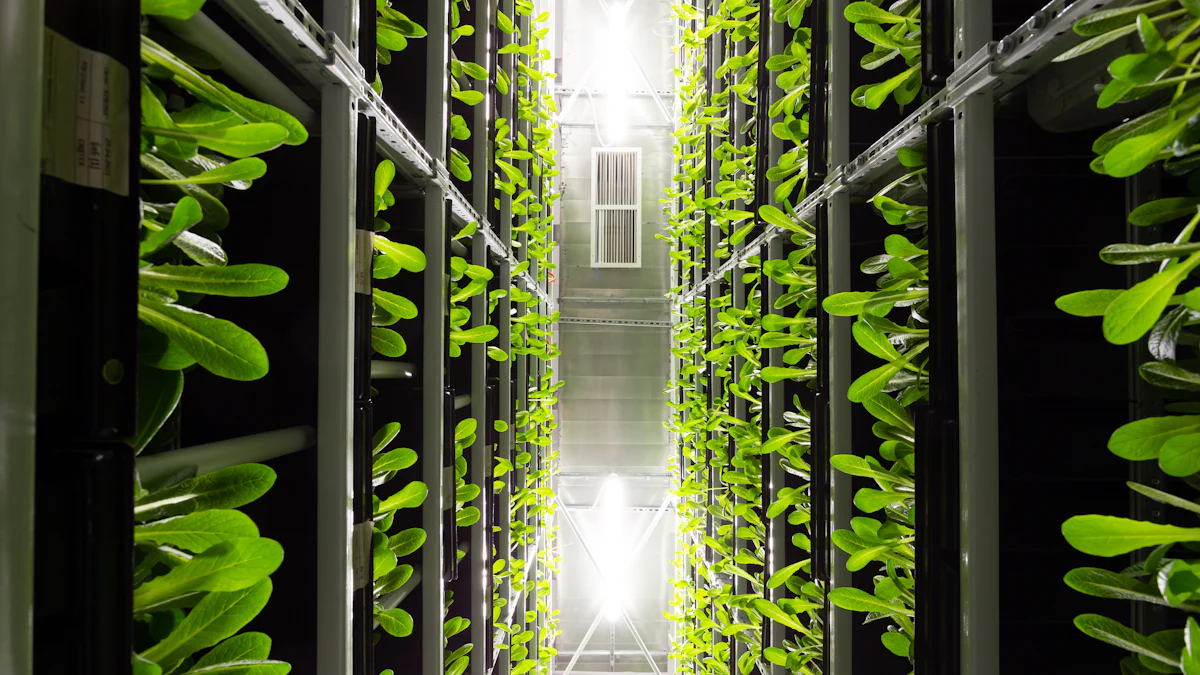
A Hydroponics Gully system offers an innovative way to grow plants without soil. It uses narrow channels where plant roots stay exposed to a thin film of nutrient-rich water. This method ensures plants receive essential nutrients and oxygen directly, promoting healthy growth. Known for its connection to the Nutrient Film Technique (NFT), this system has gained popularity for its efficiency. You can grow crops like leafy greens while conserving water and space. Its sustainable design makes it a favorite among gardeners and growers seeking modern solutions.
Key Takeaways
- Hydroponic Gully systems allow you to grow plants without soil, using narrow channels that deliver nutrient-rich water directly to plant roots.
- The Nutrient Film Technique (NFT) ensures efficient nutrient delivery, promoting faster growth and healthier plants by keeping roots moist and oxygenated.
- This system is highly efficient in water and nutrient usage, significantly reducing waste compared to traditional farming methods.
- Ideal for growing leafy vegetables and herbs, hydroponic gullies can yield higher production in smaller spaces, making them perfect for urban gardening.
- Regular monitoring and maintenance are essential to ensure optimal performance, including checking nutrient levels and cleaning components.
- While initial setup costs can be high, the long-term benefits of faster growth and reduced resource consumption make it a worthwhile investment.
- Embrace modern gardening techniques with Hydroponic Systems to enjoy sustainable practices and produce cleaner, pesticide-free crops.
What Is a Hydroponics Gully System?
Definition and Key Features
Explanation of the gully structure and its role in plant growth.
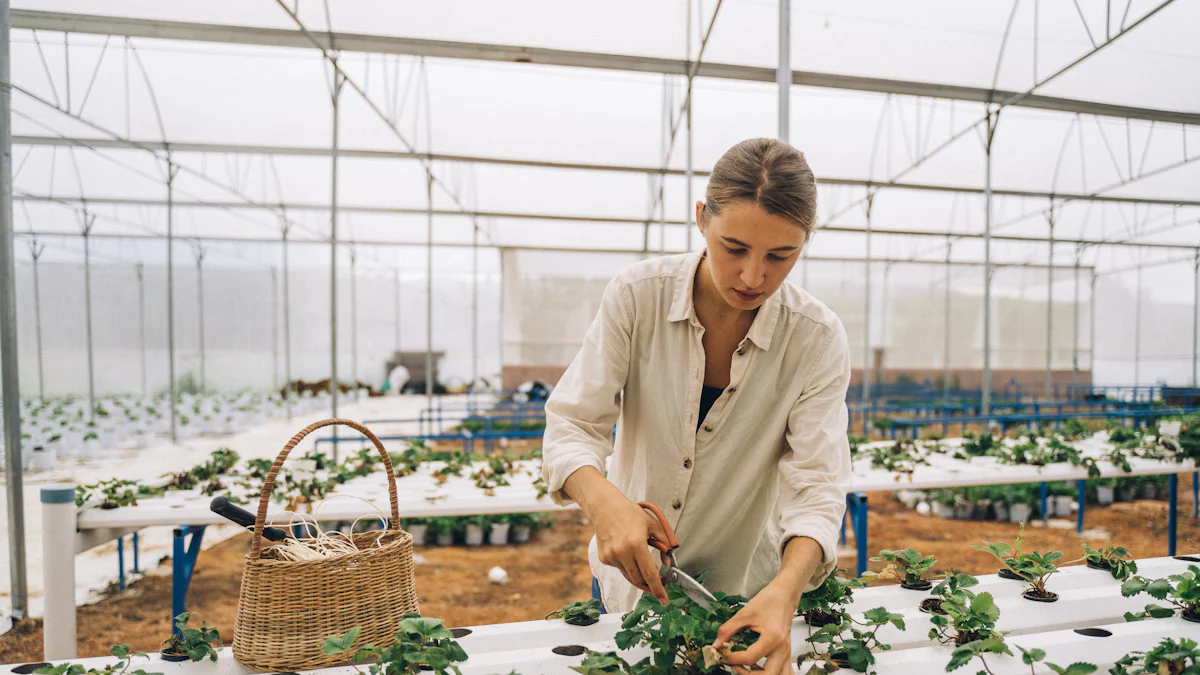
A hydroponics gully system uses narrow channels, often called gullies, to grow plants without soil. These gullies hold the plants in place while their roots dangle freely inside the channel. A thin film of nutrient-rich water flows through the bottom of the gully, providing the roots with essential nutrients and oxygen. This setup ensures that plants receive everything they need for healthy growth without the need for traditional soil-based methods. The design of the gully allows for efficient water flow, preventing stagnation and ensuring that all plants in the system benefit equally.
Overview of the Nutrient Film Technique (NFT) and its application in hydroponics.
The Nutrient Film Technique (NFT) is the foundation of the hydroponics gully system. In this method, the nutrient solution flows continuously in a shallow stream along the base of the gully. This thin film ensures that the roots remain moist while still being exposed to air for oxygen absorption. The NFT system works best for plants with smaller root systems, such as leafy greens and herbs. By keeping the roots in constant contact with the nutrient film, the system promotes faster growth and healthier plants. You can easily adapt this technique to various setups, making it a versatile choice for both beginners and experienced growers.
Why It’s Popular
Efficiency in nutrient and water usage.
A hydroponics gully system stands out for its efficiency. The continuous flow of the nutrient solution minimizes waste, as unused water gets recirculated back into the system. This closed-loop design reduces water consumption significantly compared to traditional farming. Additionally, the precise delivery of nutrients ensures that plants absorb only what they need, eliminating excess and promoting sustainable gardening practices. If you want to conserve resources while maximizing plant growth, this system offers an ideal solution.
Suitability for growing leafy vegetables and other crops.
This system is particularly effective for growing leafy vegetables like lettuce, spinach, and kale. These crops thrive in the controlled environment provided by the gullies. The consistent nutrient delivery and oxygen availability support rapid growth and high yields. You can also use the system for herbs such as basil and mint or even small fruits like strawberries. Its adaptability makes it a popular choice for home gardeners and commercial growers alike.
How Does a Hydroponics Gully System Work?
Step-by-Step Process
Preparation of the nutrient solution.
You start by preparing a nutrient solution tailored to the needs of your plants. This solution contains essential minerals like nitrogen, potassium, and phosphorus. Use clean water to mix the nutrients, ensuring the correct balance for optimal plant growth. A pH meter helps you adjust the solution to the ideal range, usually between 5.5 and 6.5. Proper preparation ensures your plants receive the nutrients they need to thrive.
Delivery of the solution through the gullies.
Once the nutrient solution is ready, it flows into the gullies. A pump moves the solution from the reservoir to the top of the system. The gullies are slightly sloped, allowing the solution to flow downward in a thin film. This design ensures that every plant in the system gets equal access to nutrients and oxygen. The continuous flow prevents stagnation and keeps the roots healthy.
Absorption of nutrients and oxygen by plant roots.
As the solution passes through the gullies, the plant roots absorb the nutrients and oxygen they need. The thin film of water ensures the roots stay moist without becoming waterlogged. This balance promotes healthy root development and faster plant growth. The exposed roots also absorb oxygen directly from the air, which is vital for their metabolic processes.
Recirculation of water for sustainability.
After flowing through the gullies, the leftover solution returns to the reservoir. This recirculation process minimizes water waste and makes the system highly sustainable. You can reuse the solution multiple times, only adding more nutrients or water when needed. This closed-loop system reduces environmental impact and helps you save resources.
Role of the Nutrient Film Technique
How the thin film of water ensures consistent nutrient delivery.
The Nutrient Film Technique (NFT) plays a crucial role in the hydroponics gully system. The thin film of water flowing through the gullies ensures that nutrients reach every plant consistently. Unlike traditional methods, this technique prevents over-saturation while maintaining a steady supply of nutrients. The constant flow keeps the roots hydrated and nourished, promoting uniform growth across all plants.
Benefits of the NFT system for plant health and growth.
The NFT system offers several benefits for plant health. It provides a controlled environment where plants grow faster and healthier. The continuous flow of nutrients and oxygen reduces the risk of diseases caused by stagnant water. Additionally, the system supports efficient resource use, making it cost-effective and eco-friendly. Whether you're a beginner or an experienced grower, the NFT system simplifies the process of growing plants in a hydroponics gully.
What Components Are Needed to Set Up a Hydroponics Gully System?
Essential Components
Gullies or channels for plant placement.
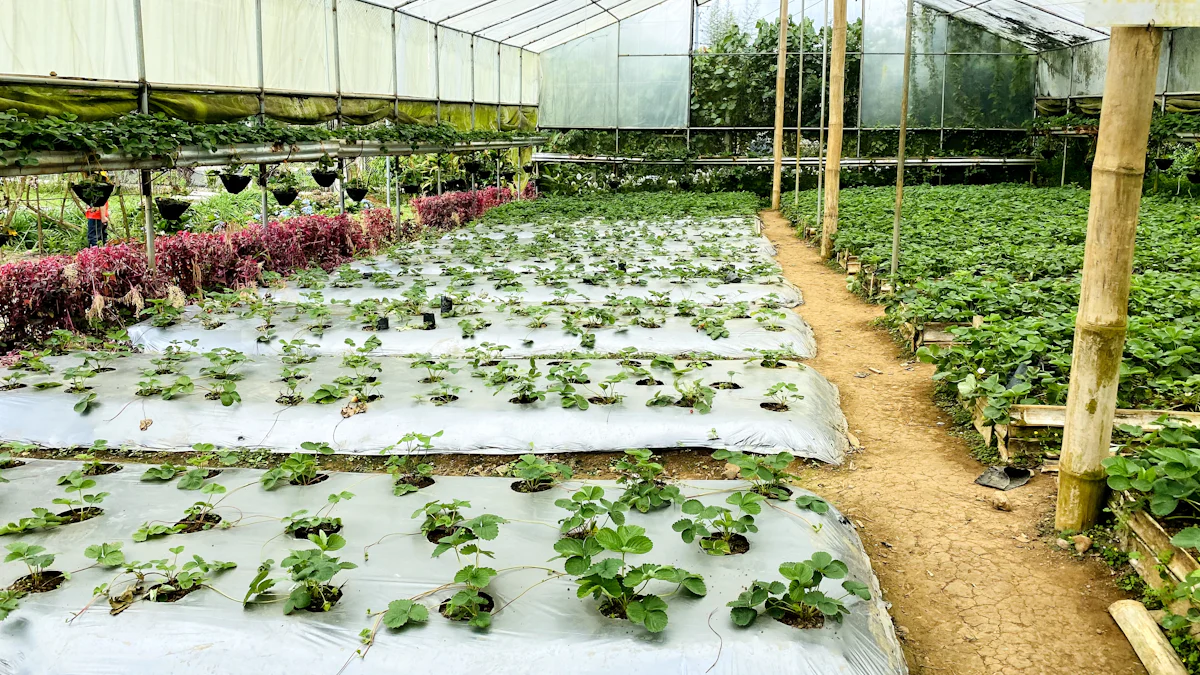
The gullies form the backbone of your hydroponics gully system. These narrow channels hold the plants in place while allowing their roots to access the nutrient solution. You can choose gullies made from durable materials like PVC or food-grade plastic. The design of the gullies ensures proper water flow, preventing stagnation and promoting healthy root development. When selecting gullies, consider their size and length based on the type of plants you want to grow and the available space.
Water reservoir and pump system.
The water reservoir stores the nutrient solution that feeds your plants. A reliable pump moves the solution from the reservoir to the gullies, ensuring a continuous flow. Choose a pump with the right capacity to match the size of your system. The reservoir should be large enough to hold sufficient water for your plants while allowing room for recirculation. Regularly check the pump and reservoir to ensure smooth operation and prevent interruptions in nutrient delivery.
Nutrient solution and monitoring tools.
The nutrient solution provides essential minerals that your plants need to thrive. You can purchase pre-mixed solutions or create your own by combining individual nutrients. To maintain the right balance, use monitoring tools like pH meters and EC (electrical conductivity) meters. These tools help you track the nutrient levels and acidity of the solution. Adjustments ensure that your plants receive optimal nutrition throughout their growth cycle.
Plant support structures like net pots or foam inserts.
Net pots or foam inserts keep your plants stable within the gullies. These structures hold the plants securely while allowing their roots to dangle freely into the nutrient film. Net pots are reusable and come in various sizes to accommodate different plant types. Foam inserts offer a lightweight alternative, especially for smaller plants. Both options ensure that your plants remain upright and well-positioned for nutrient absorption.
Optional Enhancements
Lighting systems for indoor setups.
If you plan to grow plants indoors, lighting systems become essential. LED grow lights provide the right spectrum of light for photosynthesis, ensuring healthy plant growth. Position the lights above the gullies to mimic natural sunlight. Adjustable lighting systems allow you to control the intensity and duration of light exposure. This setup ensures that your plants receive adequate light even in spaces with limited natural sunlight.
Automation tools for monitoring and maintenance.
Automation tools simplify the management of your hydroponics gully system. Timers can regulate the pump's operation, ensuring consistent nutrient flow. Sensors monitor water levels, pH, and nutrient concentration, alerting you to any changes. Some advanced systems even allow remote monitoring through smartphone apps. These tools save time and reduce the risk of errors, making your gardening experience more efficient and enjoyable.
What Are the Advantages of Using a Hydroponics Gully System?
Benefits for Growers
Efficient use of water and nutrients.
A hydroponics gully system optimizes water and nutrient usage. The closed-loop design recirculates the nutrient solution, ensuring minimal waste. You only need to add water or nutrients when necessary, which reduces overall consumption. This efficiency allows you to grow healthy plants while conserving resources. Compared to traditional farming, this system uses significantly less water, making it an excellent choice for areas with limited water availability.
Faster plant growth and higher yields.
Plants in a hydroponics gully system grow faster plant growth than those in soil. The direct delivery of nutrients to the roots eliminates delays in absorption. This constant access to essential minerals accelerates growth and boosts productivity. You can expect higher yields in a shorter time frame, which is especially beneficial for commercial growers. Faster growth cycles also mean you can harvest more frequently, maximizing your output.
Space-saving design, ideal for small areas.
The compact design of a hydroponics gully system makes it perfect for small spaces. You can stack multiple gullies vertically or arrange them horizontally to fit your available area. This flexibility allows you to grow a variety of crops even in urban settings or indoors. By utilizing vertical space, you can increase your growing capacity without needing additional land. This feature makes the system ideal for home gardeners and those with limited space.
Environmental and Economic Benefits
Reduced water waste compared to traditional farming.
Traditional farming methods often result in significant water loss through evaporation and runoff. A hydroponics gully system minimizes this waste by recirculating water within the system. The controlled environment ensures that every drop of water serves a purpose. This reduction in water waste not only benefits the environment but also lowers your water bills. You can grow plants sustainably while conserving one of the planet’s most valuable resources.
Lower dependency on soil and pesticides.
This system eliminates the need for soil, reducing the risk of soil-borne diseases and pests. Without soil, you can avoid using harmful pesticides, creating a cleaner and safer growing environment. The controlled setup also prevents weeds from competing with your plants, further reducing the need for chemical interventions. By relying less on soil and pesticides, you contribute to a healthier ecosystem and produce cleaner, pesticide-free crops.
Are There Any Potential Drawbacks to Using a Hydroponics Gully System?
Challenges to Consider
Initial setup costs and complexity.
Setting up a hydroponics gully system requires an upfront investment. You need to purchase essential components like gullies, pumps, reservoirs, and monitoring tools. These items can add up quickly, especially if you opt for high-quality materials or advanced automation features. The installation process may also feel overwhelming if you are new to hydroponics. You must carefully assemble the system to ensure proper water flow and nutrient delivery. While the long-term benefits often outweigh the costs, the initial expense and effort can be a barrier for some growers.
Risk of system failure, such as pump malfunctions.
The system relies heavily on mechanical components like pumps to function correctly. A pump malfunction can disrupt the flow of nutrients and water, putting your plants at risk. Without immediate intervention, the roots may dry out or fail to receive adequate oxygen. Electrical outages or equipment wear and tear can also lead to system failures. Regular maintenance and backup solutions, such as spare pumps, can help you minimize these risks. However, you must stay vigilant to avoid potential losses.
Need for regular monitoring and maintenance.
A hydroponics gully system requires consistent attention to perform optimally. You need to monitor the nutrient solution's pH and concentration levels regularly. Any imbalance can affect plant growth and health. Cleaning the gullies and reservoir is also essential to prevent algae buildup or blockages. While automation tools can reduce some of the workload, you still need to check the system frequently. This ongoing maintenance may feel time-consuming, especially if you have a busy schedule.
Suitability for Different Growers
Best suited for small to medium-scale growers.
This system works best for small to medium-scale operations. It allows you to grow a variety of crops efficiently without requiring large amounts of space. If you are a home gardener or a small business owner, this setup can meet your needs effectively. However, scaling up for large commercial operations may require significant modifications and additional resources. The system's design is ideal for those who want to maximize productivity in a controlled environment.
May require technical knowledge for troubleshooting.
Operating a hydroponics gully system involves some level of technical understanding. You need to know how to adjust nutrient levels, maintain equipment, and troubleshoot issues like leaks or pump failures. Beginners may face a learning curve as they familiarize themselves with the system's components and functions. Access to resources like guides, tutorials, or expert advice can help you overcome these challenges. With time and practice, you can develop the skills needed to manage the system effectively.
A hydroponic gully system offers an innovative way to grow plants efficiently and sustainably. You now understand how it works, from the nutrient film technique to the essential components required for setup. This system provides numerous benefits, including faster growth, higher yields, and reduced water usage. It also supports eco-friendly practices by minimizing soil dependency and pesticide use. If you want to explore modern gardening methods, this system is a rewarding choice. Start your hydroponic journey today and experience the joy of growing healthy, vibrant plants in a controlled environment.