


Leave Your Message
Why Greenhouses Are a Game-Changer for Farmers and Gardeners
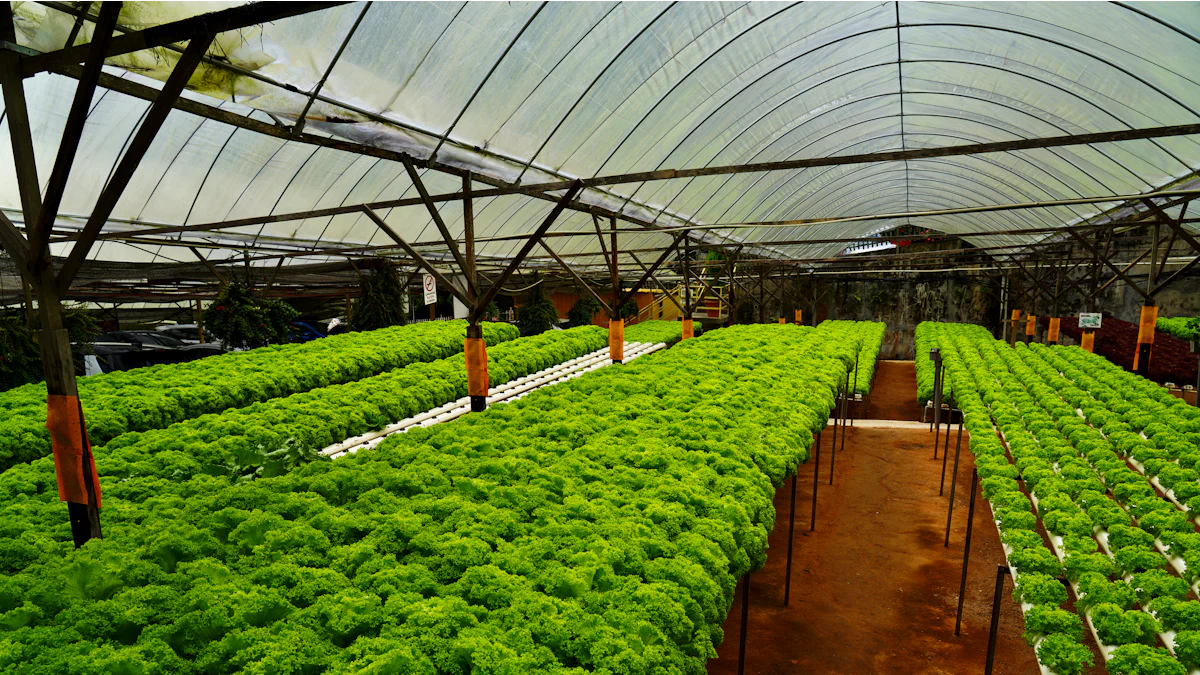
Imagine a world where you control the weather for your plants. Greenhouses make this possible, giving you the power to grow crops in any season. They protect your plants from storms, pests, and extreme temperatures. The advantages of growing crops in greenhouses include healthier plants, higher yields, and a more sustainable future for your garden or farm.
Key Takeaways
- Greenhouses let you grow food all year, no matter the season.
- They shield plants from bad weather, helping them grow better and easing work for farmers.
- Greenhouses boost crop amounts and earnings by growing plants more efficiently and allowing the growth of valuable crops.
Advantages of Growing Crops in Greenhouses
Extending Growing Seasons
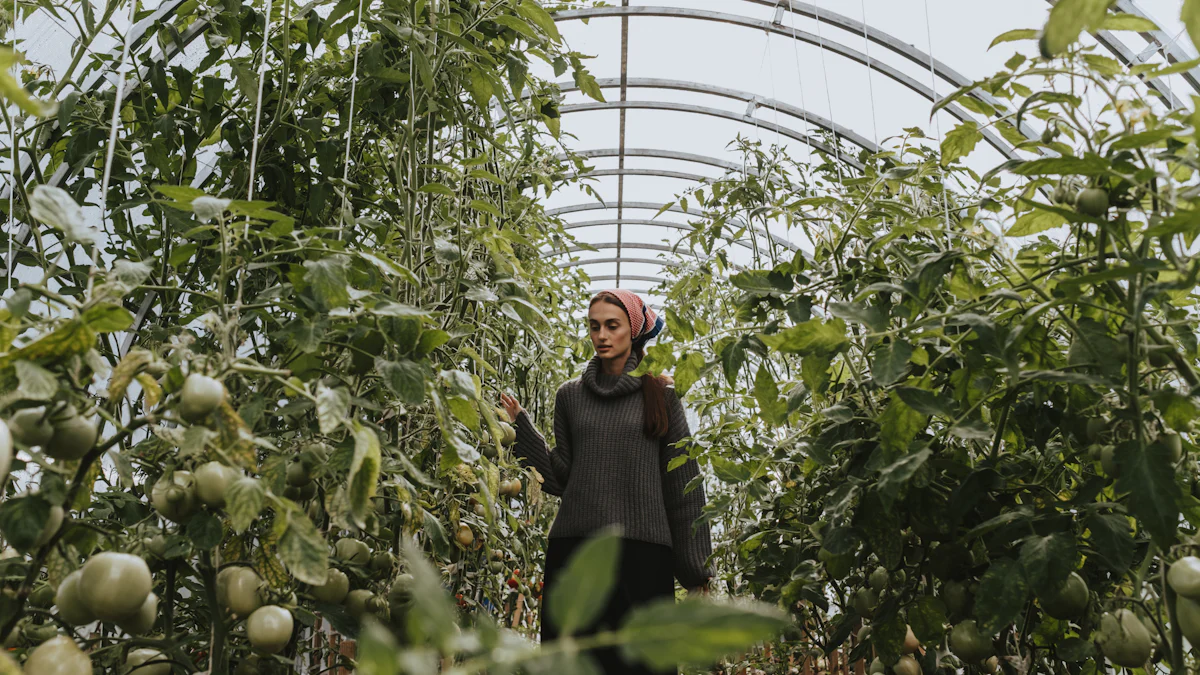
Greenhouses give you the power to grow crops all year long. They create a stable environment where temperature, humidity, and light can be controlled. This means you no longer have to wait for the perfect weather to plant your seeds. Imagine harvesting fresh tomatoes in the middle of winter or enjoying vibrant flowers when the ground outside is frozen. With a greenhouse, you can extend your growing season and enjoy fresh produce or blooms whenever you want. This is one of the key advantages of growing crops in greenhouses. It allows you to meet demand, whether for your family or your customers, without worrying about seasonal limitations.
Shielding Crops from Harsh Weather
Unpredictable weather can ruin your hard work in an instant. Heavy rain, strong winds, or scorching heat can damage your plants and reduce your harvest. A greenhouse acts as a protective shield, keeping your crops safe from these threats. You can grow delicate plants without fear of frost or hail. Even during extreme weather conditions, your greenhouse ensures your plants thrive. This protection is one of the most significant advantages of growing crops in greenhouses. It gives you peace of mind and helps you focus on nurturing healthy plants.
Reducing Pest and Disease Risks
Pests and diseases are constant challenges for any grower. They can destroy crops and waste your efforts. Greenhouses help you reduce these risks by creating a controlled environment. You can keep harmful insects out and maintain cleanliness to prevent diseases. This means fewer pesticides and healthier plants. By using a greenhouse, you can grow crops with confidence, knowing they are safe from common threats. This is another reason why the advantages of growing crops in greenhouses are so valuable for farmers and gardeners like you.
Improving Crop Quality and Variety
Growing Exotic and Non-Native Plants
Have you ever dreamed of growing tropical fruits or rare flowers in your backyard? Greenhouses make this possible. They create the perfect environment for exotic and non-native plants to thrive. You can adjust temperature, humidity, and light to mimic the natural habitat of these plants. This means you can grow bananas in colder regions or cultivate orchids that usually require a tropical climate. A greenhouse opens the door to endless possibilities, allowing you to experiment with unique crops that stand out in the market or simply bring joy to your garden.
Enhancing Taste, Appearance, and Nutritional Value
Imagine biting into a tomato that bursts with flavor or enjoying a salad packed with nutrients. Greenhouses help you achieve this by giving you control over growing conditions. You can fine-tune soil quality, water levels, and light exposure to enhance the taste, color, and nutritional value of your crops. Healthier plants mean better produce. Whether you’re growing for your family or selling to customers, the quality of your crops will leave a lasting impression. This is one of the many advantages of growing crops in greenhouses.
Ensuring Consistent and Reliable Yields
Uncertainty can be stressful for any grower. Greenhouses eliminate this worry by providing a stable environment for your plants. You can grow crops with confidence, knowing that weather changes or pests won’t disrupt your harvest. This consistency ensures you always have reliable yields, whether you’re growing for personal use or commercial purposes. With a greenhouse, you can plan ahead and meet demand without surprises. It’s a game-changer for anyone looking to maximize their efforts and enjoy predictable results.
Economic and Environmental Benefits
Increasing Crop Yields and Profits
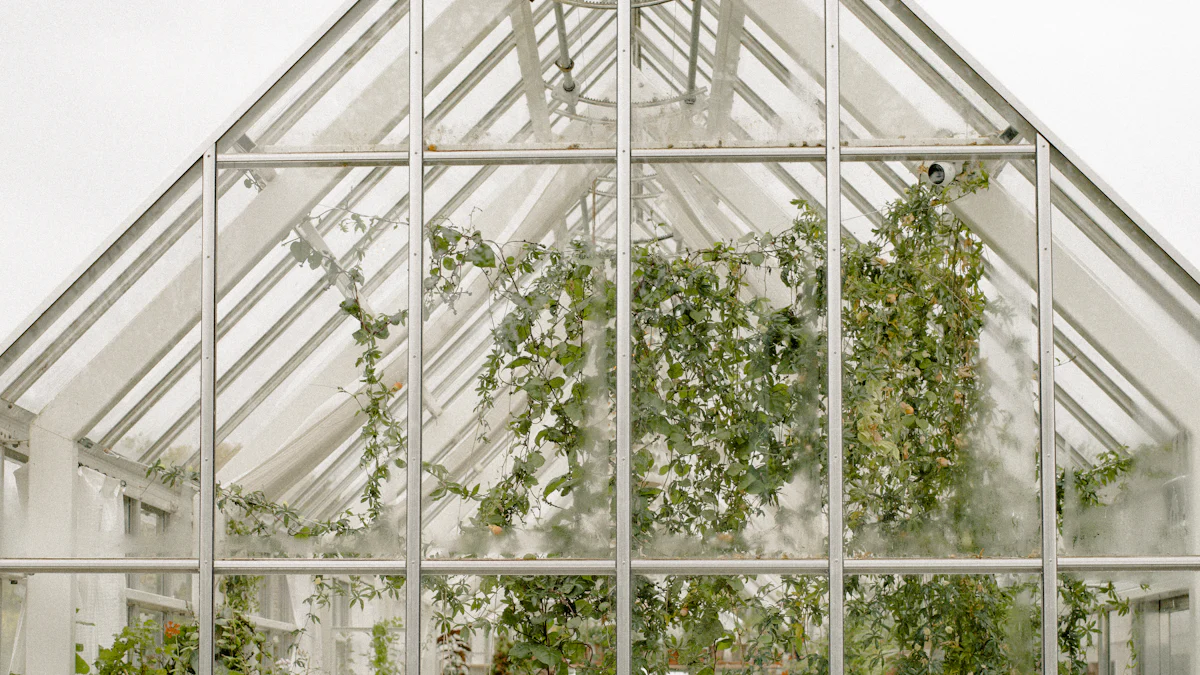
Greenhouses give you the ability to maximize your harvest. By controlling the growing environment, you can produce more crops in less space. This means you can grow multiple cycles of plants in a year, increasing your overall yield. Higher yields lead to greater profits, especially if you sell your produce. You can also grow high-value crops, like exotic fruits or specialty flowers, that fetch premium prices in the market. With a greenhouse, you’re not just growing plants—you’re growing your income.
🌱 Tip: Start small and expand your greenhouse as your profits grow. This way, you can scale your operation without overwhelming your resources.
Promoting Sustainable and Eco-Friendly Practices
Greenhouses encourage you to adopt sustainable farming methods. You can recycle water, use organic fertilizers, and reduce chemical pesticides. These practices protect the environment and improve the health of your crops. Greenhouses also allow you to grow food locally, reducing the need for long-distance transportation. This helps lower greenhouse gas emissions. By using a greenhouse, you contribute to a healthier planet while enjoying the advantages of growing crops in greenhouses.
Reducing Resource Waste and Carbon Footprint
Traditional farming often wastes water, fertilizers, and energy. Greenhouses help you minimize this waste. You can use drip irrigation systems to deliver water directly to the roots, reducing evaporation. You can also install solar panels to power your greenhouse, cutting down on energy costs. These steps not only save resources but also reduce your carbon footprint. Every small change you make adds up to a big impact on the environment.
🌍 Note: By reducing waste and emissions, you’re not just helping your farm—you’re helping the world.
Greenhouses transform the way you grow plants. They empower you to cultivate crops year-round, shield them from external threats, and improve their quality.
- 🌱 Sustainability: Greenhouses help you adopt eco-friendly practices that protect the planet.
- 💰 Profitability: They boost your yields and income by maximizing efficiency.
- 🌟 Reliability: You gain control over growing conditions, ensuring consistent success.
🌟 Whether you’re a hobbyist or a commercial grower, a greenhouse is your key to thriving in modern agriculture. Take the leap and unlock your full potential!
FAQ
What size greenhouse should you start with?
Begin with a small greenhouse, around 6x8 feet. It’s easier to manage and allows you to learn before expanding. 🌱
Do greenhouses require a lot of maintenance?
Not at all! Regular cleaning, checking ventilation, and monitoring temperature are enough to keep your greenhouse thriving. A little effort goes a long way. 🛠️
Can you grow crops organically in a greenhouse?
Absolutely! Greenhouses let you control pests naturally and use organic fertilizers. You can grow healthy, chemical-free crops with ease. 🌍