


Leave Your Message
Why Substrate Cultivation Systems Boost Yields Efficiently
Imagine a world where you can grow healthier plants with less effort and greater efficiency. Substrate cultivation systems make this possible by giving you precise control over the growing environment. These innovative systems replace traditional soil with soilless substrates, allowing plants to thrive in optimal conditions. Whether you’re working in a greenhouse or an urban farm, you’ll see how these systems maximize yields while conserving resources. They empower you to grow sustainably, ensuring every drop of water and nutrient counts toward robust plant growth.
Key Takeaways
- Substrate cultivation systems replace traditional soil with soilless mediums, allowing for precise control over water and nutrients, leading to healthier plants and higher yields.
- These systems enhance water efficiency by delivering targeted irrigation, reducing waste, and enabling the recycling of water in closed-loop setups.
- Nutrient optimization is achieved through tailored delivery, ensuring plants receive the right nutrients at the right time, which promotes faster growth and reduces wastage.
- By eliminating soil, substrate systems significantly reduce the risk of soil-borne pests and diseases, resulting in healthier crops and less need for chemical interventions.
- Substrate cultivation is highly adaptable, making it ideal for urban farming and vertical agriculture, allowing growers to maximize yields in limited spaces.
- Research shows that crops grown in substrate systems can yield up to 30% more than those in soil, with improved quality and consistency in produce.
- These systems contribute to sustainable agriculture by conserving resources and addressing food security challenges in areas with poor soil quality.
What Are Substrate Cultivation Systems?
Definition and Overview
Explanation of substrate as a soilless growing medium
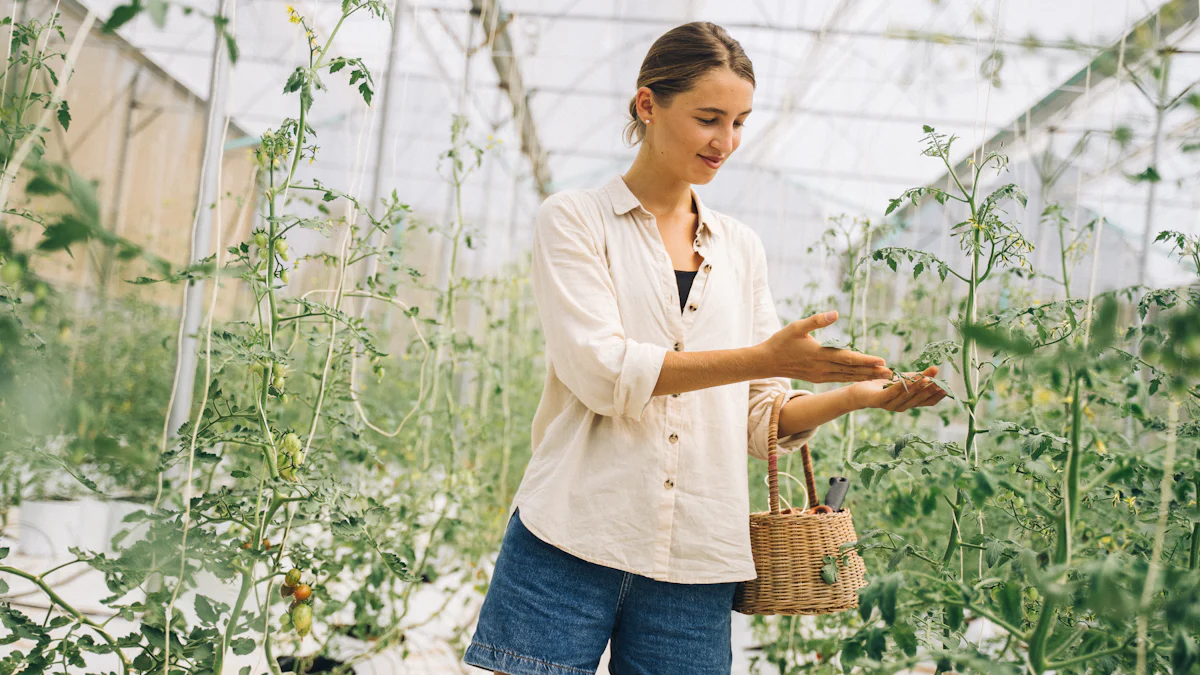
Substrate cultivation systems rely on soilless growing mediums to nurture plants. Instead of traditional soil, you use materials like coco coir, rock wool, or perlite. These substrates provide a clean and controlled environment for roots to grow. They hold water and nutrients effectively while allowing air to circulate around the roots. This balance creates the perfect conditions for plants to thrive.
By using substrates, you eliminate many challenges associated with soil. Issues like compaction, inconsistent nutrient levels, and soil-borne pests no longer hinder your plants. Substrates give you the power to create an ideal growing environment tailored to your crops’ needs.
How substrate cultivation systems differ from traditional soil-based farming
Substrate cultivation systems stand apart from traditional farming methods. In soil-based farming, plants depend on the natural composition of the soil for nutrients and water. This approach often leads to inefficiencies and unpredictable results. With substrate systems, you take control of every aspect of plant growth.
You deliver water and nutrients directly to the substrate, ensuring plants receive exactly what they need. The absence of soil reduces the risk of pests and diseases. Additionally, substrate systems allow you to grow crops in places where soil quality is poor or nonexistent. This flexibility makes them a game-changer for modern agriculture.
Types of Substrate Cultivation Systems
Examples such as hydroponics, aeroponics, and substrate trough systems
Substrate cultivation systems come in various forms, each offering unique advantages. Hydroponics is one of the most popular methods. In this system, you grow plants in a nutrient-rich water solution, with substrates like coco coir or perlite supporting the roots. Aeroponics takes it a step further by suspending plants in the air and misting their roots with nutrients. This method maximizes oxygen exposure, promoting rapid growth.
Another effective option is the substrate trough system. This system uses troughs filled with substrates to support plant roots. It combines the benefits of soilless growing with efficient irrigation and drainage. Each of these systems empowers you to grow crops with precision and efficiency.
Common substrates used, including coco coir, rock wool, and perlite
The choice of substrate plays a crucial role in the success of your cultivation system. Coco coir, made from coconut husks, is a sustainable and versatile option. It retains water well while providing excellent aeration. Rock wool, a fibrous material made from molten rock, offers superior water retention and drainage. Perlite, a lightweight volcanic material, enhances aeration and prevents waterlogging.
Each substrate has unique properties that cater to different crops and growing conditions. By selecting the right substrate, you create an environment where your plants can flourish. These materials ensure that your substrate cultivation system delivers consistent and reliable results.
Key Benefits of Substrate Cultivation Systems
Water Efficiency
Precise irrigation and reduced water waste
Water is one of the most valuable resources in agriculture, and substrate cultivation systems help you use it wisely. These systems allow you to deliver water directly to the plant roots with precision. You control the exact amount needed, avoiding overwatering or under-watering. This targeted approach reduces water waste and ensures that every drop contributes to plant growth. By managing irrigation so effectively, you conserve water while promoting healthier plants.
Recycling and reuse of water in closed systems
Substrate cultivation systems often operate within closed-loop setups. These systems collect and recycle unused water, allowing you to reuse it for future irrigation. This process minimizes water loss and enhances sustainability. You can maintain a consistent supply of moisture for your plants without depleting natural resources. Recycling water not only saves money but also supports environmentally friendly farming practices.
Nutrient Optimization
Tailored nutrient delivery for specific plant needs
Every plant has unique nutritional requirements, and substrate cultivation systems let you meet those needs with precision. You can customize nutrient solutions to match the specific demands of your crops. This tailored approach ensures that plants receive the right balance of nutrients at the right time. As a result, you see faster growth, stronger plants, and higher yields. By optimizing nutrient delivery, you unlock the full potential of your crops.
Prevention of nutrient leaching and wastage
Traditional soil-based farming often leads to nutrient loss through leaching. Substrate cultivation systems eliminate this problem by keeping nutrients contained within the growing medium. The substrates hold onto essential nutrients, making them readily available to plant roots. This efficient system prevents wastage and ensures that your plants absorb the maximum amount of nutrients. You achieve better results while reducing the need for additional fertilizers.
Pest and Disease Control
Reduced exposure to soil-borne pests and pathogens
Soil can harbor pests and pathogens that threaten your crops. Substrate cultivation systems remove this risk by replacing soil with clean, soilless growing mediums. Without soil, pests and diseases have fewer opportunities to attack your plants. This cleaner environment helps you grow healthier crops with fewer interventions. You spend less time dealing with infestations and more time enjoying productive harvests.
Prevention of waterlogging and root diseases through effective drainage
Excess water can lead to root diseases and other problems, but substrate cultivation systems solve this issue with effective drainage. The substrates allow excess water to flow away, preventing waterlogging and keeping roots healthy. Proper drainage ensures that roots receive the right balance of moisture and oxygen. This promotes vigorous growth and reduces the risk of diseases like root rot. You create an environment where plants thrive naturally.
Scalability and Space Efficiency
Applications in vertical farming and urban agriculture
You can transform how you grow crops by adopting substrate cultivation systems in Vertical Farming and urban agriculture. These systems allow you to grow plants in stacked layers, making the most of vertical space. This approach is ideal for urban areas where land is limited but demand for fresh produce is high. By using vertical farming, you can grow more crops in less space, meeting the needs of local communities while reducing transportation costs.
Urban agriculture thrives with substrate cultivation systems. Rooftops, balconies, and even indoor spaces become productive growing areas. You can create lush gardens in places where traditional soil-based farming would be impossible. These systems empower you to bring farming closer to consumers, promoting sustainability and reducing the environmental impact of food production.
Maximizing yields in limited spaces with modular systems
Substrate cultivation systems excel in maximizing yields, even in the smallest spaces. Modular designs make it easy to customize your setup based on the available area. You can expand or rearrange the system as needed, ensuring efficient use of every square foot. This flexibility allows you to scale your operations without requiring additional land.
With modular systems, you can optimize plant density while maintaining healthy growth conditions. Each plant receives the right amount of water, nutrients, and aeration, ensuring consistent and robust yields. Whether you’re growing in a small greenhouse or a compact urban farm, these systems help you achieve impressive results. You turn limited spaces into thriving hubs of agricultural productivity.
Scientific and Practical Evidence Supporting Yield Increases
Research Studies and Data
Studies comparing yields in substrate systems vs. traditional methods
Scientific research highlights the remarkable advantages of substrate cultivation systems over traditional soil-based farming. Studies consistently show that crops grown in these systems achieve higher yields. Researchers attribute this to the precise control over water, nutrients, and root aeration. For example, a study comparing tomato production found that plants grown in substrate systems produced up to 30% more fruit than those grown in soil. This increase stems from the optimized growing conditions that substrates provide.
You can also see improvements in growth rates. Plants in substrate systems often mature faster because they receive consistent nourishment. Unlike soil-based farming, where nutrient availability fluctuates, substrates ensure a steady supply. This consistency allows plants to focus their energy on growth and fruit production, leading to better results in less time.
Evidence of improved crop quality and consistency
Beyond higher yields, substrate cultivation systems also enhance crop quality. Research shows that fruits and vegetables grown in these systems often have better texture, flavor, and nutritional content. For instance, strawberries cultivated in substrate systems tend to be sweeter and more uniform in size. This consistency makes them highly desirable for both consumers and commercial markets.
The controlled environment of substrate systems minimizes external stressors like pests and diseases. As a result, your crops grow healthier and more robust. Studies also reveal that substrate-grown plants experience fewer deformities and blemishes. This means you can deliver produce that not only tastes better but also looks more appealing.
Real-World Applications
Case studies from commercial farms using substrate cultivation systems
Commercial farms worldwide are reaping the benefits of substrate cultivation systems. One notable example is a greenhouse operation in the Netherlands specializing in cucumbers. By switching to a substrate trough system, the farm increased its yield by 40% while reducing water usage by 50%. The precise irrigation and nutrient delivery allowed the farm to grow healthier plants with fewer resources.
Another success story comes from a large-scale tomato farm in California. The farm adopted a hydroponic substrate system to combat water scarcity. This change resulted in a significant boost in productivity. The farm now produces 20% more tomatoes per acre compared to traditional methods. These real-world examples demonstrate how substrate cultivation systems can transform agricultural practices.
Success stories from small-scale growers and urban farmers
Small-scale growers and urban farmers also benefit from substrate cultivation systems. A rooftop farm in New York City uses coco coir as a substrate to grow leafy greens. Despite limited space, the farm produces enough vegetables to supply local restaurants. The modular design of the system allows the farmer to maximize every square foot, proving that you don’t need vast land to achieve impressive yields.
In another case, a hobbyist in Chicago turned their balcony into a thriving herb garden using a substrate trough system. The grower reported faster growth and healthier plants compared to traditional pots with soil. These stories show that substrate cultivation systems are accessible to everyone, regardless of scale or location. They empower you to grow efficiently and sustainably, no matter your circumstances.
Applications Across Different Crops and Industries
Versatility in Crop Types
High-value crops like tomatoes, cucumbers, and strawberries
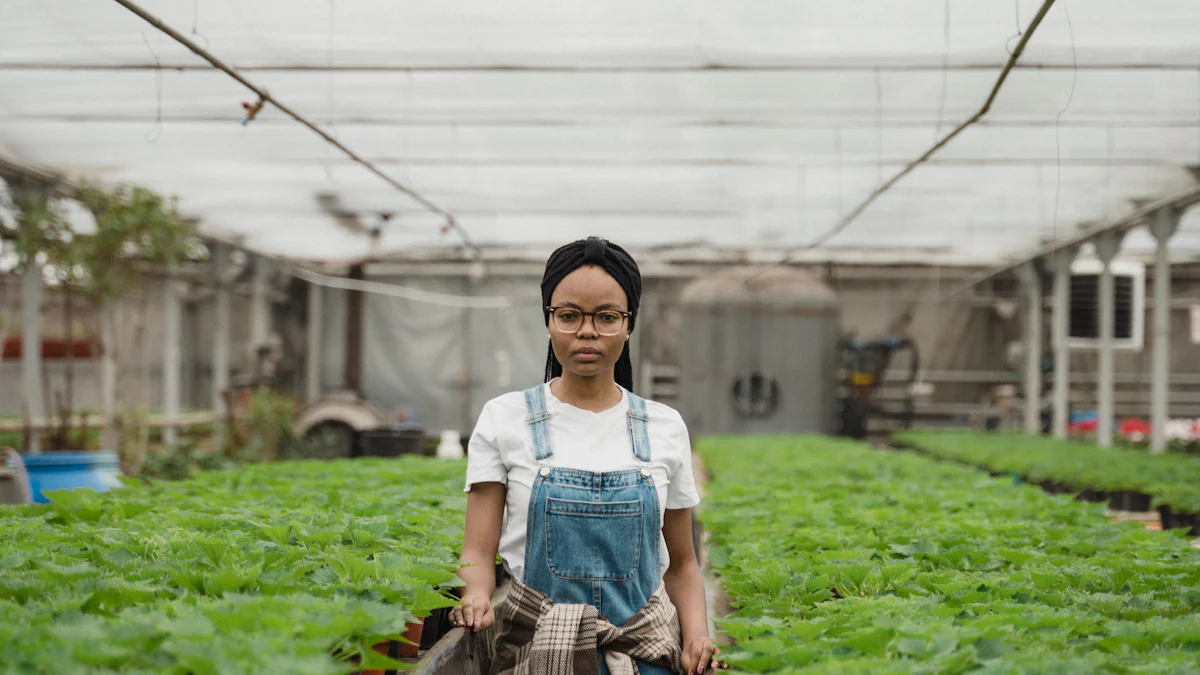
Substrate cultivation systems excel when growing high-value crops such as tomatoes, cucumbers, and strawberries. These crops demand precise care to achieve their full potential. With these systems, you can provide the exact water and nutrient levels they need. Tomatoes grow plumper, cucumbers develop crisp textures, and strawberries become sweeter and more vibrant. The controlled environment ensures consistent quality, making your produce stand out in competitive markets.
These crops also benefit from the clean growing conditions substrates offer. Without soil, you eliminate many risks like pests and diseases. This means healthier plants and higher yields. Whether you’re a commercial grower or a small-scale farmer, you can achieve premium results with these systems.
Leafy greens, herbs, and ornamental plants
Leafy greens like lettuce and spinach thrive in substrate cultivation systems. These plants grow quickly and require consistent moisture and nutrients. Substrates like coco coir and perlite provide the perfect balance of water retention and aeration. You’ll notice faster growth and fresher, crisper leaves. Herbs such as basil, mint, and cilantro also flourish in these systems. Their flavors intensify, and their growth becomes more robust.
Ornamental plants, including flowers, benefit greatly too. Substrates allow you to control their growth conditions, ensuring vibrant blooms and healthy foliage. Whether you’re cultivating roses or orchids, you can achieve stunning results. These systems give you the flexibility to grow a wide variety of plants with exceptional outcomes.
Industry Adaptability
Use in greenhouses, urban farming, and sustainable agriculture
Substrate cultivation systems adapt seamlessly to various industries. In greenhouses, they allow you to create a controlled environment where plants thrive year-round. You can grow crops regardless of external weather conditions. This consistency boosts productivity and ensures a steady supply of fresh produce.
Urban farming becomes more accessible with these systems. Rooftops, balconies, and indoor spaces transform into productive farms. You can grow food closer to consumers, reducing transportation costs and environmental impact. These systems also align perfectly with sustainable agriculture practices. By conserving water and nutrients, you minimize waste and promote eco-friendly farming.
Role in addressing food security challenges
Food security remains a pressing global issue, and substrate cultivation systems offer a powerful solution. These systems enable you to grow crops in areas with poor soil quality or limited arable land. You can produce food in deserts, urban centers, or regions affected by climate change. This adaptability helps communities achieve self-sufficiency and reduces reliance on imported goods.
By maximizing yields in small spaces, these systems address the growing demand for food. They empower you to produce more with fewer resources, ensuring that fresh, nutritious food reaches more people. Substrate cultivation systems play a vital role in building a sustainable and secure food future.
Substrate cultivation systems empower you to revolutionize your growing practices. By using tools like the Substrate Cultivation Trough by Miilkii Agrow, you gain precise control over water, nutrients, and root aeration. This approach ensures healthier plants and maximized yields. Whether you’re a commercial grower or a small-scale enthusiast, these systems help you achieve sustainable and efficient results. They offer a pathway to higher productivity while conserving resources. By adopting this innovative method, you contribute to a future where agriculture thrives in harmony with the environment.